Search
 한국어
한국어 русский
 عربى
عربىYou have narrowed your dishwasher search to two models. One has a stainless steel tub, the other a plastic tub, and the price gap is enough to make you hesitate. It is tempting to treat the tub as an invisible interior detail, but it is one of the few components that defines how the machine feels every single day. The tub holds the hot water, absorbs vibration from the spray arms, and determines how much heat lingers after the cycle ends. So which is better? For most households, stainless steel is the smarter investment. It runs quieter, dries dishes more reliably, and resists damage much longer. Plastic still makes sense in specific situations, which this guide explains so you can choose with confidence.
Why the Dishwasher Tub Material Matters More Than You Think
Every wash cycle subjects the tub to conditions that would ruin ordinary materials: water hot enough to need caution, alkaline detergents designed to dissolve grease, acidic food residue, and the constant mechanical stress of racks sliding in and out. Across a decade of use, that adds up to thousands of aggressive cycles. The tub material determines how well the machine survives that environment and how pleasant it is to live with in the meantime. Four factors matter most.
- Noise level. The tub acts as the sound chamber of the dishwasher. Heavy, dense materials absorb and dampen the vibration of water jets and pumps, while lighter materials transmit that noise directly into your kitchen.
- Drying performance. Heat stored in the tub walls keeps evaporating moisture after the final rinse. That is why thermal properties directly control whether glasses come out dry and clear or drip with spots.
- Durability and lifespan. Cracks, warping, staining, and corrosion all begin at the tub. The material sets the ceiling for how many years the appliance will last.
- Hygiene. Smooth, non-porous surfaces give bacteria and food soil fewer places to hide. The same chamber that washes your dishes also holds residual moisture between cycles, so surface quality affects everyday cleanliness.
Plastic Dishwasher Tubs: Affordable but What's the Trade-Off?
Most plastic tubs are molded from polypropylene, a tough polymer that can be formed into a lightweight, one-piece chamber. The appeal is straightforward. Plastic-tub dishwashers cost less, often landing around $600 in retail comparisons, which makes them attractive for first apartments, rental properties, and kitchens that see light use. They are also easier to carry up stairs, and they never rust.
The trade-offs become obvious on the first wash. Plastic is far less dense than steel, so it does not block sound well. You hear more spray-arm churn, pump noise, and water sloshing through the cycle. Plastic also holds almost no heat. Once the heating element switches off, the tub cools quickly, leaving dishes wet and prone to spotting. Over the years, the interior surface develops fine scratches from cutlery and abrasive food particles, and hard water combined with strong detergents can leave stubborn discoloration. Even worse, micro-scratches give residue a place to cling, making a worn plastic tub harder to keep clean. None of this makes plastic unsafe, and it will wash dishes dependably for years, but it explains why plastic-tub machines are considered entry-level in the market.
Stainless Steel Dishwasher Tubs: A Closer Look from a Material Perspective
Stainless steel solves the weaknesses of plastic with basic physics. Steel stores far more heat than polypropylene and conducts it well, so the tub absorbs heat during the wash and keeps radiating it after the cycle ends. Dishes continue to dry naturally, which is why stainless tubs are known for better drying results. Many owners notice drier glassware and less standing water near the door seal from the very first load.
Steel is also much denser, giving it a genuine acoustic advantage. The walls absorb and reflect sound energy, so noise stays inside the machine. Findings from major appliance manufacturers consistently rank stainless steel tubs as the quietest option and plastic tubs as the noisiest.
For long-term durability, stainless steel resists cracking, warping, staining, and corrosion under normal use. The chromium in the alloy forms a thin, self-renewing oxide layer that protects against the aggressive alkaline environment inside the washer. The smooth surface also leaves bacteria fewer places to settle and is easy to wipe clean.
That said, not all stainless steel performs the same. The 304 family is the most common food-contact grade because its nickel content improves corrosion resistance and formability. The 430 family is a ferritic, nickel-free alternative that costs less but does not resist aggressive conditions as well. For extreme environments, manufacturers can specify a molybdenum-bearing alloy such as marine-grade 316L stainless steel, engineered to withstand chlorides and salt. Household tubs rarely need that level of protection, but the comparison shows how much performance varies within a single material category.
 Wholesale TP316L Marine Grade Stainless Steel Tube Factory, Manufacturers - JianAs China TP316L Marine Grade Stainless Steel Tube Manufacturers and Wholesale Factory, Jiangsu Jend Tube Co.,Ltd provides types of TP316L...View Product →
The Role of Food-Grade Stainless Steel in Dishwasher Tubs
Because the tub touches the plates and utensils you eat from, the material must satisfy food-contact safety standards. Food-grade stainless steel tubing is produced under tight controls on chemical composition, surface finish, and cleanliness, so it will not leach contaminants or harbor bacteria. That is why reputable makers specify food-grade material for the wash chamber rather than a generic industrial alloy.
 Wholesale Food Grade Stainless Steel Tubing Factory, Manufacturers - Jiangsu JenAs China Food Grade Stainless Steel Tubing Manufacturers and Wholesale Factory, Jiangsu Jend Tube Co.,Ltd provides types of Food Grade St...View Product →
Surface processing matters just as much as the alloy. Tubs benefit from steel treated to create a smooth, dense finish. Manufacturers often choose bright annealed stainless steel tubes for the wash chamber because the controlled-atmosphere heat treatment creates a scale-free surface that resists residue buildup and corrosion. In practical terms, a well-finished stainless interior stays cleaner and keeps its appearance for the life of the appliance.
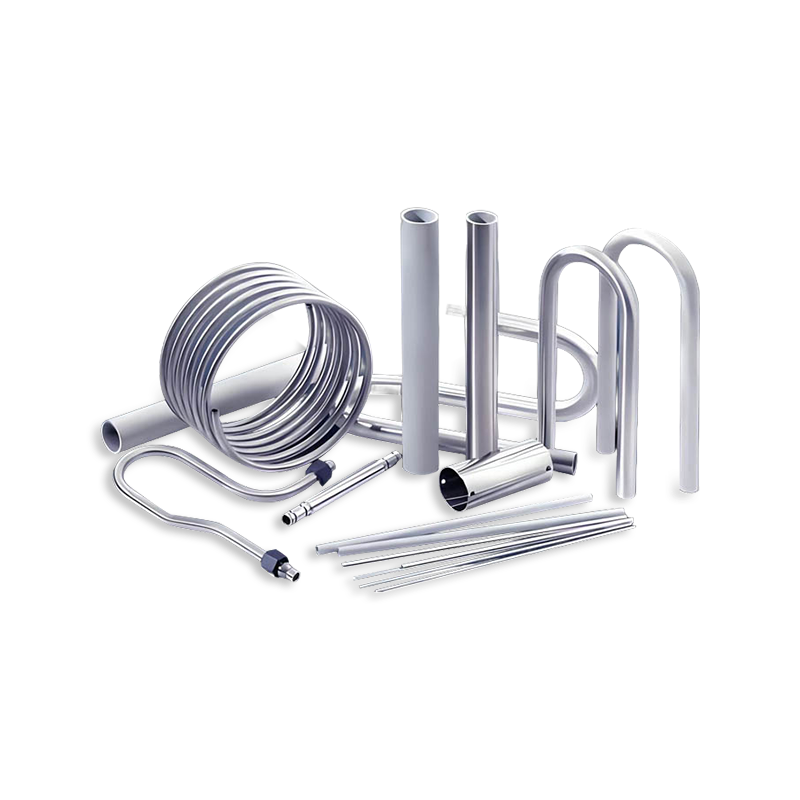 Stainless Steel Bright Annealed Tube Manufacturers, BA Tube FactoryJiangsu Jend Tube Co.,Ltd. is China stainless steel bright annealed tube factory and BA tube manufacturers, we provides wholesale stainle...View Product →
Direct Comparison: Plastic vs Stainless Steel Dishwasher Tub
If you are choosing between two machines, the table below summarizes how the tub material changes the experience.
| Consideration | Plastic Tub | Stainless Steel Tub |
|---|---|---|
| Noise level | More audible; lighter walls transmit pump and spray noise | Quieter; dense metal dampens vibration and sound |
| Drying performance | Poor heat retention; dishes stay wet longer | Retains heat after the cycle; dishes dry faster and more evenly |
| Durability | Can scratch, discolor, or warp over years | Resists scratches, stains, warping, and corrosion |
| Typical price | Lower upfront cost, often around $600 | Usually $200 to $400 more than comparable plastic models |
| Energy efficiency | May need extra heat to dry dishes | Better natural drying can reduce reliance on heated dry |
| Maintenance | Easy to wipe, but stains may set over time | Smooth surface stays clean with mild detergent |
| Environmental impact | Shorter lifespan means more frequent replacement | Longer lifespan; stainless steel is fully recyclable |
One caution: the tub is only part of the machine. Pump quality, spray arm design, and detergent performance also influence results. But these material differences show up consistently in real-world use.
What About Hybrid Tubs? Plastic Base + Stainless Steel Interior
Some dishwashers use a hybrid design: a plastic base tub combined with stainless steel in the wash zone. This is a practical compromise. The plastic lower section trims weight and cost, while stainless steel surfaces handle the areas that matter most for heat retention, durability, and hygiene. Hybrid machines typically sit between plastic and all-stainless models on price, which makes them worth considering for mid-range budgets. The main caveat is noise. Because part of the structure is still plastic, a hybrid tub transmits more sound than an all-steel tub. If you have an open kitchen or simply dislike loud appliances, an all-stainless tub is the safer choice.
Which Dishwasher Tub Should You Choose? A Practical Buyer's Guide
Match the tub material to your living situation, not just the spec sheet.
Choose a plastic tub if:
- Your budget is limited and every dollar counts
- You rent or expect to move within a few years
- You run only a few loads per week
- Dishwasher noise does not bother you
Choose a stainless steel tub if:
- You own your home or plan to use the machine for five or more years
- Quiet operation matters, especially in open-plan kitchens
- You want dishes dry without running extra heated cycles
- You care about a clean, stain-free interior over time
Consider a hybrid tub if:
- Your budget is mid-range
- You want stainless steel strength in the wash zone
- You accept slightly more noise than an all-steel model
Before you finalize a purchase, compare total cost of ownership instead of sticker price. A plastic-tub machine saves several hundred dollars today, but a shorter service life can make it more expensive per year if you replace it sooner. Add the slight energy advantage of faster natural drying in a stainless tub, and the long-term math usually favors steel.
Final Verdict: Is Stainless Steel Worth the Extra Cost?
Yes, in most cases. If you expect to keep your dishwasher for five years or longer, the typical $200 to $400 premium for a stainless steel tub pays off through quieter cycles, better drying, fewer stains and scratches, and a longer service life. It is also the more sustainable choice, because the machine lasts longer and the steel is fully recyclable when it eventually retires.
Plastic tubs are not a bad product; they are simply the right fit for a narrower set of situations: tight budgets, short-term housing, or very light use. The bottom line is that food-grade stainless steel delivers the best balance of durability, comfort, and long-term value for most households. As a manufacturer of food-grade stainless steel and specialty tubing, we see firsthand how alloy selection and surface quality determine real-world performance. For something that sits behind every plate you eat from, that reliability is worth the upgrade.