Search
 한국어
한국어 русский
 عربى
عربى
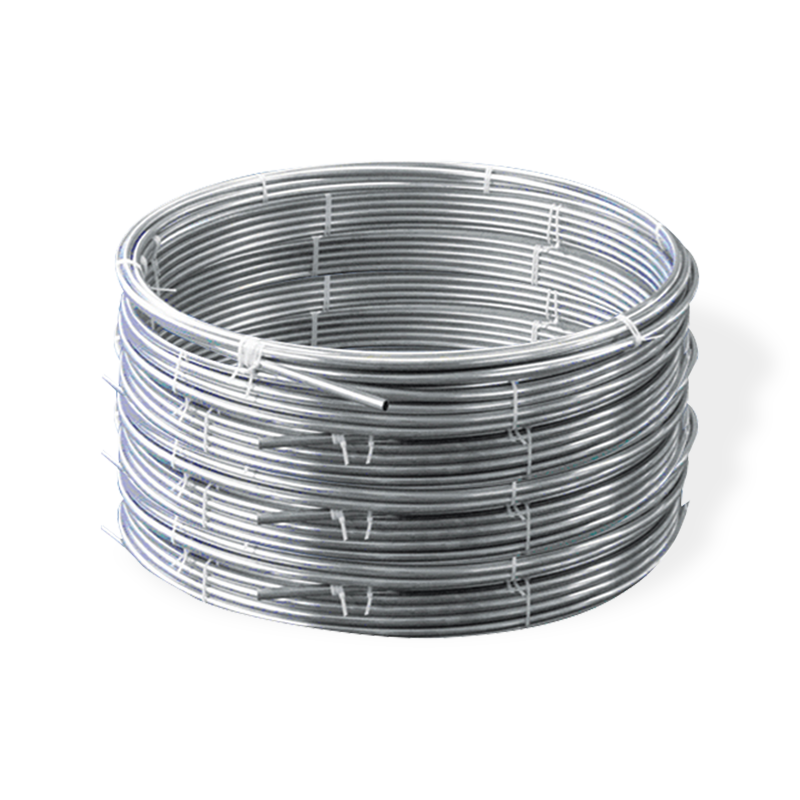
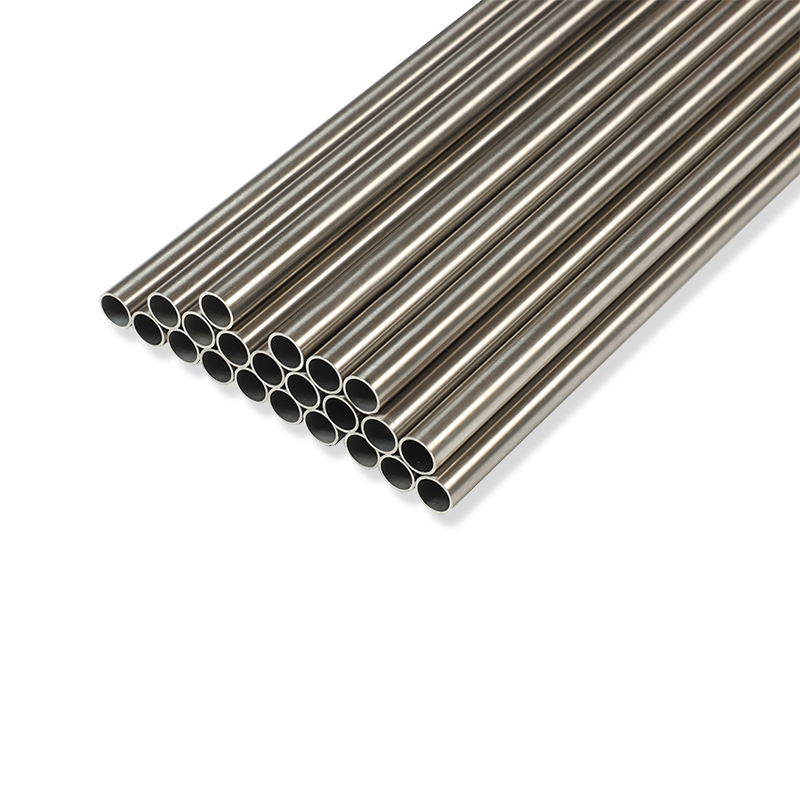

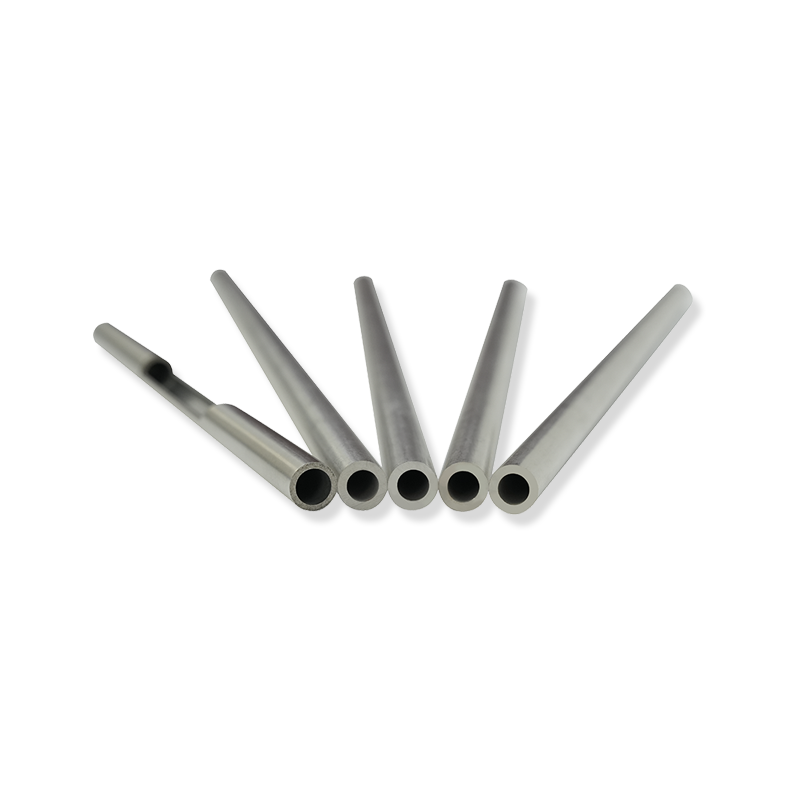
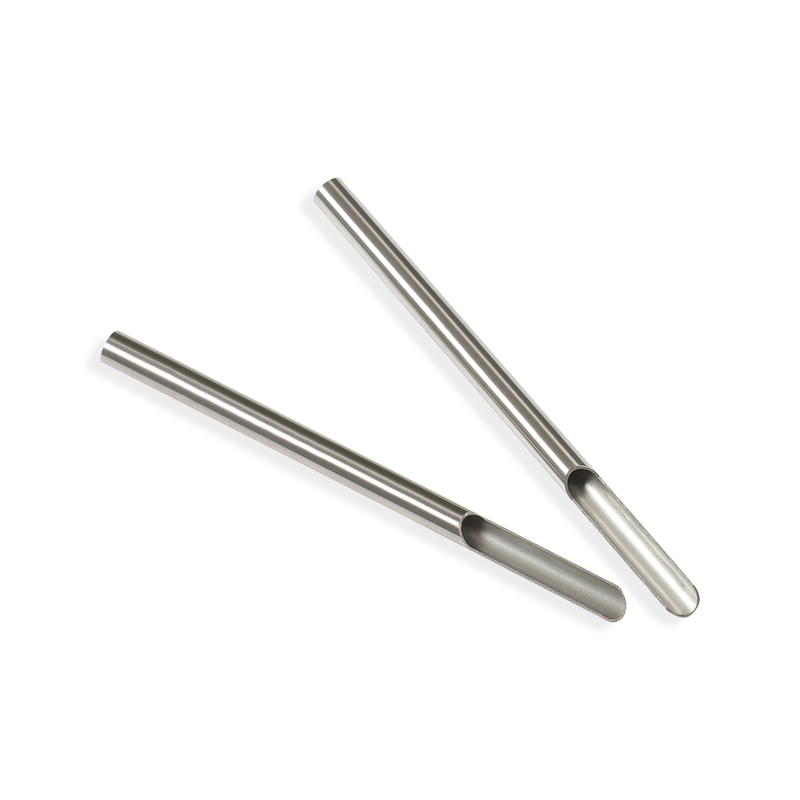
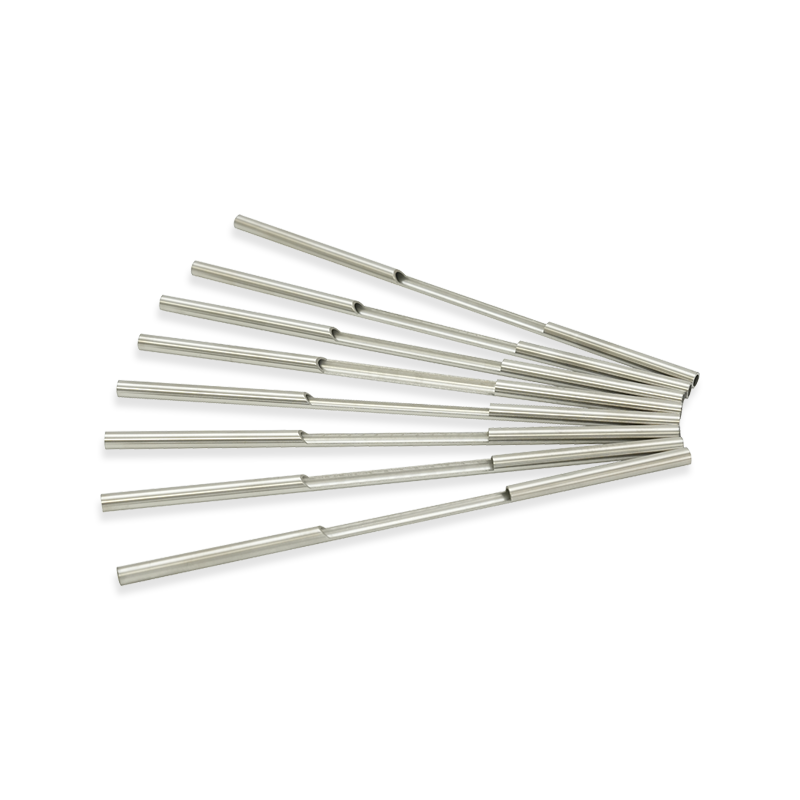
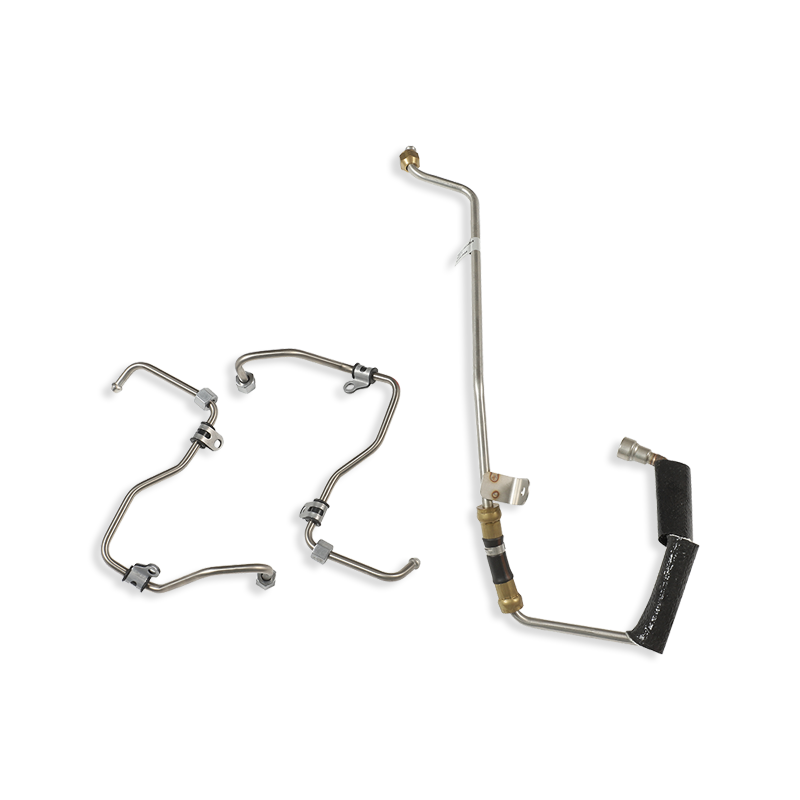
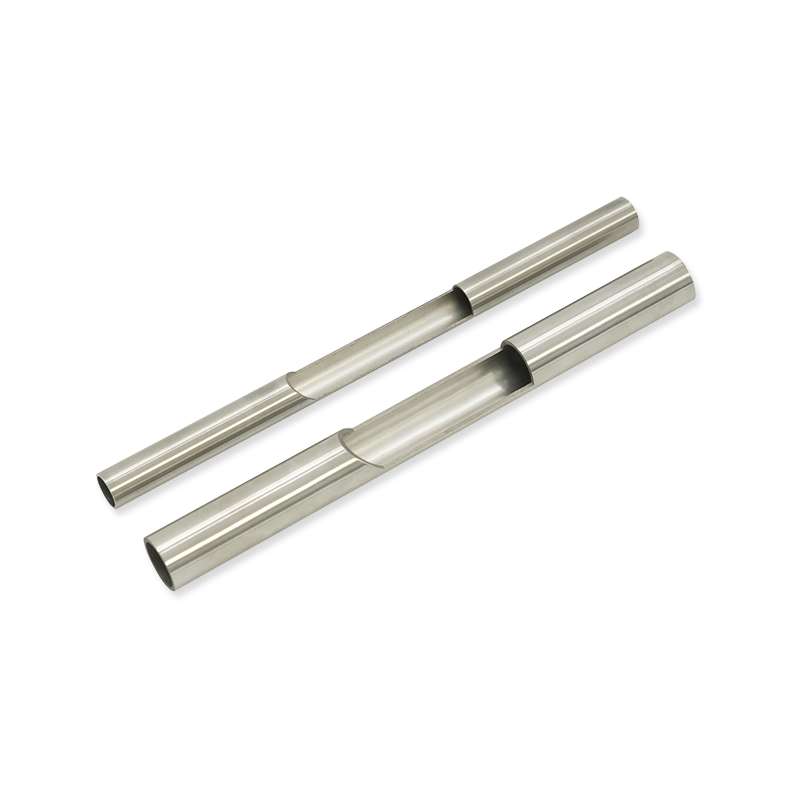
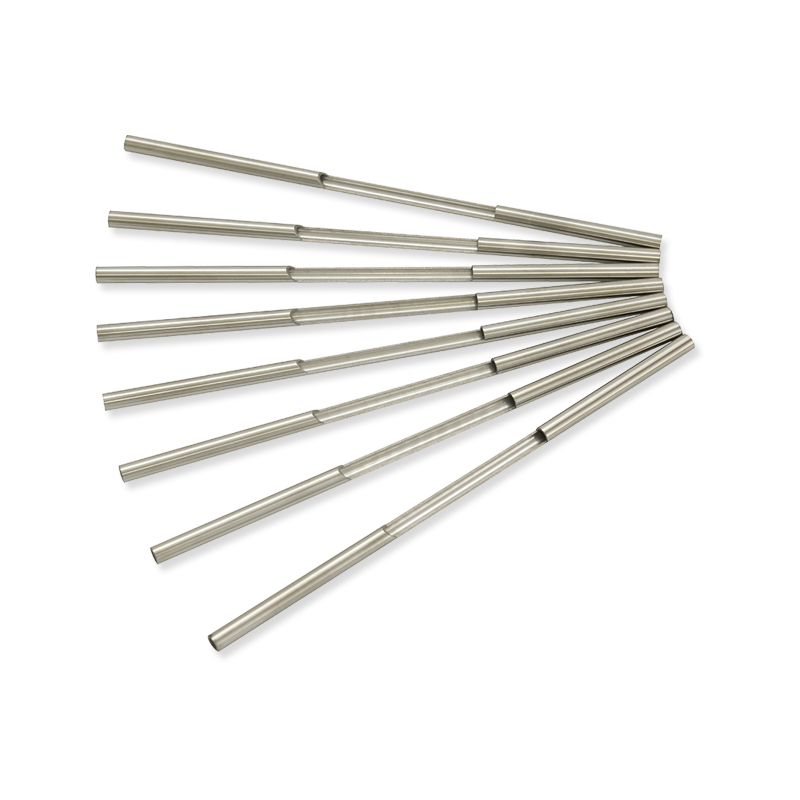
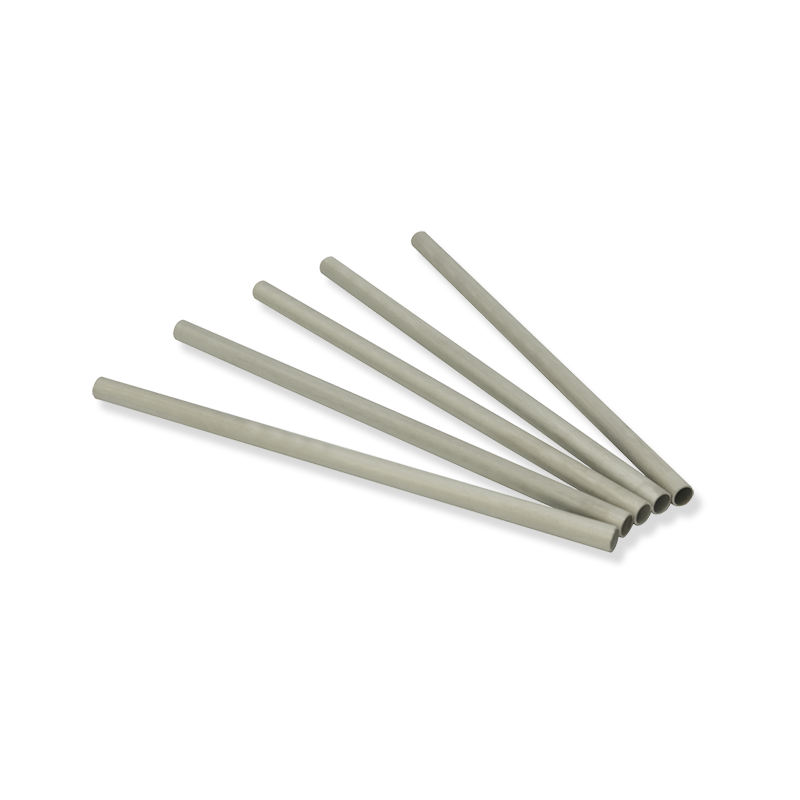

Utilizing 26 high-precision cold rolling mills and 6 cold drawing machines, we ensure dimensional accuracy and superior mechanical properties.
Food Grade Stainless Steel Tubing
ISO 1127 / DIN 11850 | TP304 / TP316L | Ra ≤ 0.4μm Electropolished | 3-A / EHEDG Compliant
ISO 9001 | EC 1935/2004 | FDA 21 CFR | 3-A SanitaryRelated Products
Introduction
The global food processing industry — encompassing dairy production, beverage manufacturing, brewing and fermentation, meat and poultry processing, bakery and confectionery production, and ready-meal preparation — operates within one of the most stringent regulatory and hygiene engineering frameworks in global industry, where the material selection for every product-contact surface must satisfy simultaneously the demands of food safety regulators, hygienic engineering standards, operational cleaning and sterilization protocols, and the long-term durability requirements of continuous industrial food production. Food Grade Stainless Steel Tubing forms the structural and transport backbone of this hygienic food processing infrastructure — serving as the piping system through which raw materials, intermediate process streams, and finished food products flow between unit operations in a continuous, hygienically controlled pathway from raw ingredient receipt to finished product packaging. The designation "food grade" for stainless steel tubing in this context is not a single regulatory certification but rather a convergence of material, dimensional, surface finish, and documentation requirements defined by the applicable food safety standard applicable to the specific product and market — including the European Union's EC 1935/2004 framework regulation for food contact materials, the FDA 21 CFR materials compliance requirements for US food production, the globally recognized 3-A Sanitary Standards for dairy and food processing equipment in North American dairy production, the EHEDG guidelines for hygienic equipment design in European food industry applications, and the NSF/ANSI 61 certification for food equipment materials in specific food contact applications. Navigating these overlapping and sometimes differing regulatory frameworks requires material specification expertise that goes beyond simple grade selection — demanding documented knowledge of regulatory requirements, traceability from melt through finished tube, and the material certification documentation that food safety auditors review during regulatory inspections of food manufacturing facilities.
The grade selection for food grade stainless steel tubing is dominated by two austenitic grades — TP304 and TP316L — that have collectively served the food processing industry for over six decades and whose safety and hygienic performance in food contact service are supported by an unmatched body of regulatory approvals, practical food industry experience, and published toxicological and migration data. TP304 (UNS S30400, EN 1.4301) with its 18% chromium and 8% nickel composition provides adequate corrosion resistance for the majority of food contact applications involving non-halogenated food acids, mild alkaline cleaning agents, and food products with low chloride content. TP316L (UNS S31603, EN 1.4404) adds 2–3% molybdenum to the base TP304 composition, raising pitting resistance that becomes critical in food applications involving chloride-containing ingredients — salt brines in cheese and meat processing, chloride-based sanitizing agents, and seawater-derived food ingredients — and in applications where aggressive CIP chemical cleaning programs with hypochlorite or acidic cleaners create the elevated chloride and acid conditions that can initiate pitting corrosion in TP304 food contact tubing surfaces. The lower carbon content of the L-grade designation ensures complete freedom from sensitization in the welded condition, maintaining uniform corrosion resistance at orbital weld joints that would otherwise be vulnerable to intergranular attack in the CIP chemical cleaning environment that every hygienic food process piping system must withstand multiple times per production day.
The surface finish of food grade stainless steel tubing is a hygienic engineering parameter of fundamental importance that directly determines the effectiveness of cleaning and sanitization operations and therefore the food safety performance of the installed piping system. Smooth tube interior surfaces minimize the adhesion and retention of food soil and microbial biofilm — the critical determinant of whether a CIP cleaning protocol can reliably return the tube surface to a microbiologically clean state between production runs. The relationship between surface roughness and cleanability has been extensively studied by hygienic engineering researchers and is now codified in standards such as 3-A Sanitary Standard 62-00 (which requires Ra ≤ 0.8μm for product-contact tube surfaces) and EHEDG Document 2 (which similarly specifies maximum surface roughness values for cleanable food contact surfaces). Our food grade tubing is supplied as standard in electropolished finish achieving Ra ≤ 0.4μm — smoother than the regulatory minimum — providing a margin of hygienic performance that supports faster CIP cycle times, lower cleaning chemical concentrations, and validated cleaning protocol development with confidence that the surface will reliably achieve the required microbiological cleanliness at the end of each CIP cycle. The electropolishing process simultaneously enriches the chromium content of the passive surface layer, enhancing its corrosion resistance to the aggressive cleaning chemicals used in food industry CIP protocols and extending the service life of the hygienic stainless tubing between replacement intervals.
Our food grade stainless steel tubing program covers TP304 and TP316L in OD sizes from 6mm to 219mm with wall thicknesses from 1.0mm to 4.0mm, manufactured and dimensioned to OD-based dimensional standards (ISO 1127, DIN 11850, SMS 3008) used in international dairy and food equipment, and available with electropolished (Ra ≤ 0.4μm), bright annealed (Ra ≤ 0.8μm), or mechanically polished (Ra ≤ 0.8μm) internal surface finish as specified. All food grade tubing is documented with full EN 10204 3.1 material test reports, EC 1935/2004 Declaration of Compliance, and FDA 21 CFR compliance statement for TP304 and TP316L food contact materials. 3-A Sanitary Standard surface roughness certification and EHEDG hygienic design equivalence documentation are available on request for specific application qualification requirements in dairy, beverage, and food processing facilities operating under 3-A or EHEDG certification programs.
Specifications
| Available Grades | TP304 (1.4301), TP316L (1.4404) |
| Standard | ISO 1127, DIN 11850, SMS 3008, EN 10216-5 |
| Outer Diameter | 6mm - 219mm (OD-Based Hygienic Dimensions) |
| Wall Thickness | 1.0mm - 4.0mm |
| Surface Finish | EP Ra≤0.4μm / BA Ra≤0.8μm / Mechanically Polished |
| Regulatory | EC 1935/2004, FDA 21 CFR, 3-A, EHEDG |
Chemical Composition (TP316L)
| Element | C | Cr | Ni | Mo | Mn | Si | N |
| Value (%) | ≤0.030 | 16.0-18.0 | 10.0-14.0 | 2.0-3.0 | ≤2.00 | ≤0.75 | ≤0.10 |
EC 1935/2004 CompliantFDA 21 CFR3-A Sanitary
Mechanical Strength (TP316L)
Comprehensive Info
| MOQ | 50kg (Negotiable for stock) |
| Lead Time | 10 - 25 Days |
| Packaging | PE-Film Wrapped / End-Capped Bundles |
| Certifications | ISO 9001, EC 1935/2004, FDA 21 CFR, 3-A |
| Raw Materials | Food-Grade Certified Austenitic Melt |
| Customization | OD/WT, Surface Finish, Hygienic Standard (DIN/SMS/ISO) |
Applications
Dairy Processing PipelinesMilk, cream, and whey transport lines and CIP circuit piping in cheese, butter, and dried dairy product manufacturing
Brewing & Beverage ProductionWort transfer, fermentation, filtration, and carbonation piping in beer, wine, spirits, and soft drink manufacturing facilities
Meat & Poultry ProcessingBrine, marinade, and product transport lines in meat curing, injection, and cooked product cooling circuit piping
Bakery & ConfectionerySugar syrup, chocolate, and filling transport lines in continuous bakery and confectionery manufacturing processes
Hot & Cold Water DistributionTP316L hot water distribution and hygienic cold water supply lines in food factory utilities requiring potable water compliance
Edible Oil ProcessingVegetable oil, olive oil, and specialty fat transport and heat exchanger tubing in refining and blending facilities
Advantages
Validated Hygienic Surface
Electropolished Ra ≤ 0.4μm exceeds 3-A Sanitary Standard minimum Ra ≤ 0.8μm requirement — supporting accelerated CIP validation and providing documented margin above the regulatory cleanability threshold for food safety auditor confidence.
Multi-Regulatory Compliance Package
EC 1935/2004 Declaration of Compliance, FDA 21 CFR statement, and 3-A surface roughness certificate bundled in a single supply documentation package — satisfying the multi-standard compliance requirements of global food companies operating in multiple regulatory jurisdictions simultaneously.
CIP Chemical Resistance
TP316L's 2–3% Mo and low carbon content provide reliable corrosion resistance to the caustic and acid CIP chemicals at elevated temperatures that are required to achieve validated cleaning in food process piping — preventing the surface pitting that destroys hygienic performance and forces premature tube replacement in aggressive CIP programs using TP304 tubing.
Hygienic Standard Dimensions
ISO 1127, DIN 11850, and SMS 3008 OD-based hygienic tubing dimensions direct-fit to stainless hygienic clamp fittings (Tri-Clamp, DIN 11851, SMS) — eliminating adapter fittings and associated dead-leg zones that compromise cleanability in hygienic piping systems.
About Jiangsu Jend Tube Co.,Ltd.
As China Food Grade Stainless Steel Tubing Manufacturers and Wholesale Food Grade Stainless Steel Tubing Factory, Established in 2011 and is a manufacturing enterprise with a complete manufacturing cycle from raw material selection to finished product delivery. The company currently has more than 100 employees, covers an area of 30015 square meters, and has a registered capital of 48 million yuan, annual production capacity of 3800 tons.
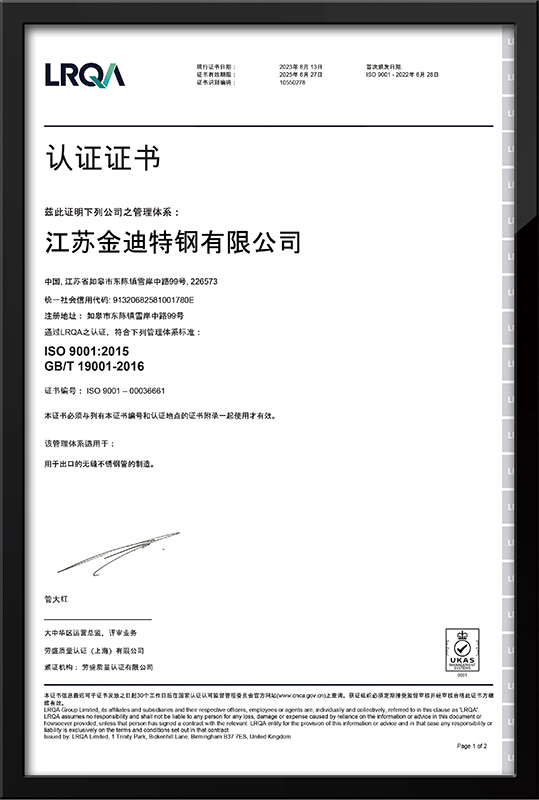
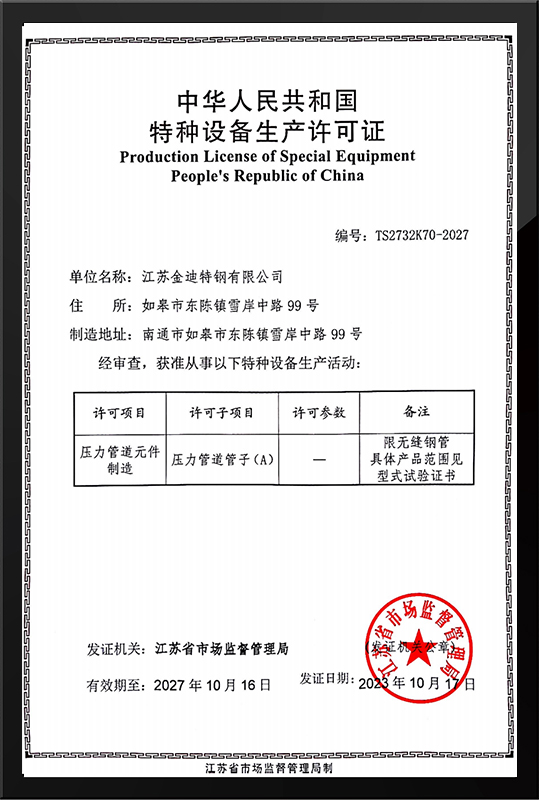
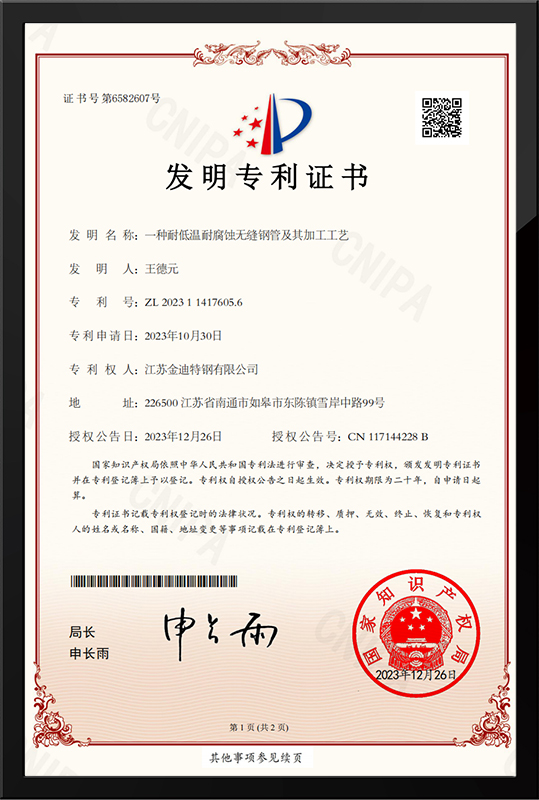
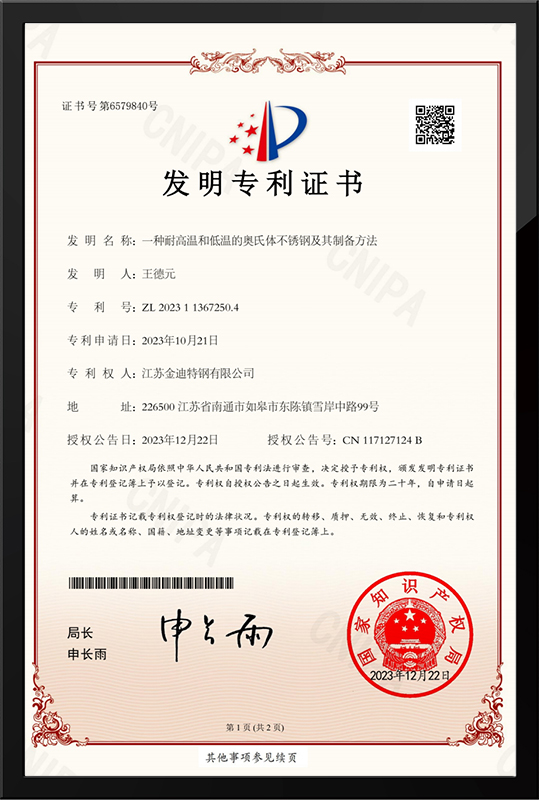
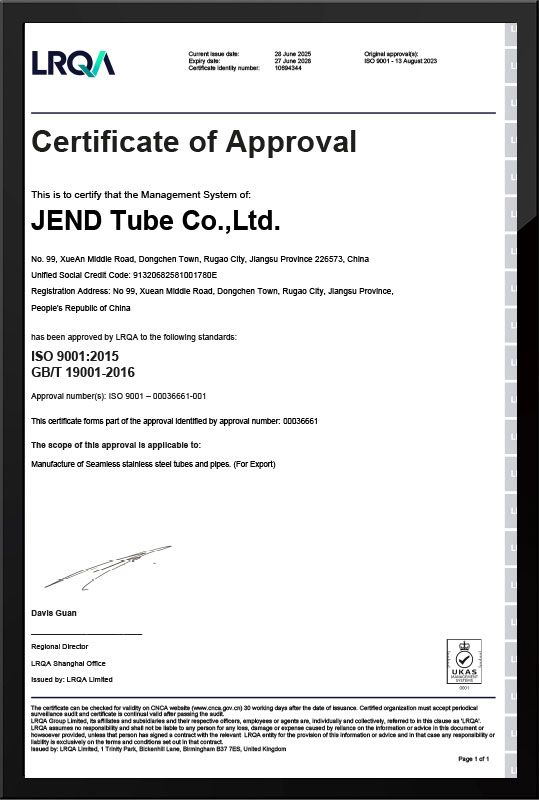
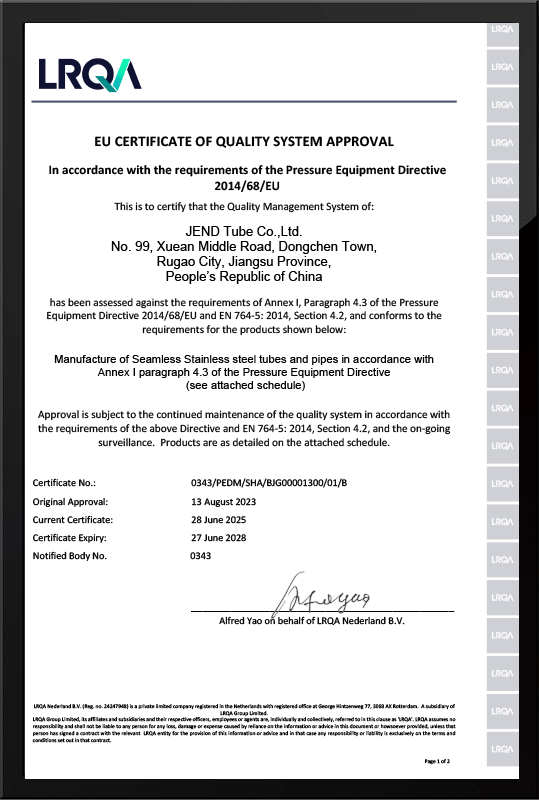
The company has passed ISO9001:2015 quality certification, domestic pressure vessel TS certification, and foreign pressure vessel PED certification. With rich experience and mature technology, we have been expanding our market internationally. At present, our products are exported to more than 50 countries and regions including Europe, America, Southeast Asia, and the Middle East.
The company adheres to different production norms and standards such as the American standard (ASTM), the European standard (EN), the German standard (DIN), the Japanese standard (JIS), the Russian standard (GOST), and the Chinese standard (GB).
Our company specializes in and customizes various specifications of Martensite TP410 (0Cr13, 1Cr13), Ferrite TP405 (1Cr13Al), TP430 (1Cr17), TP444 (0Cr18Mo2), TP439, TP409 (0Cr11Ti), It is also proficient in manufacturing Austenitic seamless stainless steel pipes of series such as TP304(L/H), TP316(L/H/Ti), TP310S, TP317, TP321(H) and TP347(H). Duplex such as S31803, S2205, S32750, S32304, and Nickel-based alloys Monel400, Monel600, Monel800, GH3030, 904L, Inconel 625, etc.
The company mainly produces seamless steel pipes with the following specifications: outer diameter: 3.18mm to 406.4mm, wall thickness: 0.3mm to 20mm, and the longest length is 25000mm. Additionally, it can customize seamless steel pipes with special materials and specifications according to customer requirements. The company attaches great importance to scientific innovation. The staff of the company vigorously develop technological research and development.
Jiangsu Jend Tube Co.,Ltd. will continuously accumulate professional knowledge and capabilities, striving to become a leader in the domestic market and even the world market. Strive to be the most reassuring pipe manufacturing enterprise for customers.
Precision Manufacturing and Process Optimization
We rely on precision equipment and optimized production technologies to achieve outstanding mechanical performance and consistent product quality.

Cold Rolling and Cold Drawing

Solution Heat Treatment
Natural gas solution treatment furnaces and BA solution treatment furnaces optimize the material's grain structure, enhancing corrosion resistance.

Precision Straightening and Polishing
10 straightening machines and 8 finishing polishing machines guarantee product surface smoothness and dimensional accuracy.

Automated Inspection and Quality Assurance
Real-time monitoring systems ensure the stable quality of every batch of products.
Product Usage Tips
Orbital Welding for Hygienic Joints
Use fully automated orbital TIG welding for food grade stainless tube joints — manual TIG welding introduces weld bead irregularity and weld cap geometry that creates microbiologically uncleanable crevices at tube joint inner surfaces. Orbital weld heads designed for hygienic tube welding produce a smooth, flush, crevice-free internal weld bead that passes 3-A Sanitary Standard weld acceptance criteria and maintains the Ra ≤ 0.8μm surface requirement at the weld joint without post-weld polishing.
CIP Velocity Requirements
Maintain CIP cleaning fluid velocity above 1.5 m/s through food grade stainless tube lines to achieve the turbulent flow regime required for effective mechanical soil removal from tube interior surfaces. CIP circuits designed for laminar flow (below 1.5 m/s) rely entirely on chemical action for cleaning — insufficient for removing viscous food soils from smooth-bore tube surfaces. Size CIP pump capacity and line routing to achieve minimum 1.5 m/s in all sections of the hygienic piping circuit.
Handling EP Surface Tube
Handle electropolished food grade tube exclusively with clean white cotton gloves or clean polyethylene gloves after removal from the PE-film protective packaging — fingerprint contamination on the electropolished bore surface deposits skin salts that initiate localized corrosion and can cause discoloration that fails regulatory inspection if detected during facility audit. Store unused cut lengths in sealed PE bags until installation to prevent airborne contamination of the food-contact surface before first use.
Passivation After Installation
Perform passivation of the complete food-grade stainless tubing system after installation, orbital weld completion, and hydrostatic pressure testing — before first food product contact. Circulate citric acid passivation solution (2–6% by weight) at 50–60°C for 30–60 minutes, followed by clean water rinse to conductivity below 10 μS/cm. Document the passivation procedure and results in the installation qualification (IQ) record for regulatory compliance file maintenance.
Value-Added Processing Services
We provide food industry hygienic processing services for dairy, beverage, and food manufacturing tube supply:
Electropolishing to Ra ≤ 0.4μm
Internal and external EP with surface roughness measurement report — 3-A Sanitary Standard compliance verified per batch.
Hygienic Orbital Cut
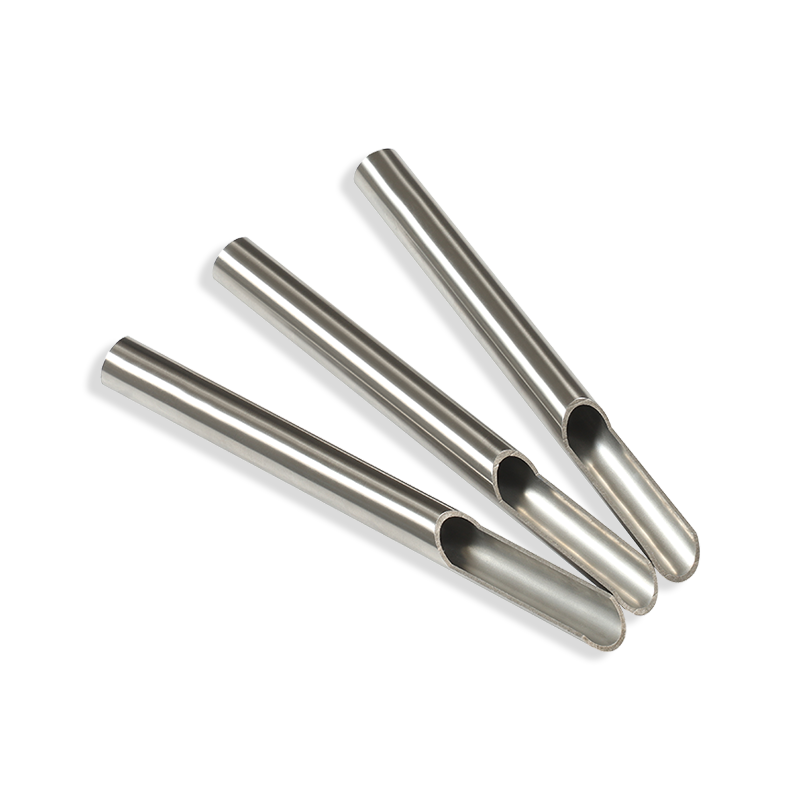
Square-end precision cutting with internal deburring for direct orbital weld assembly without additional preparation.
EC / FDA Compliance Docs
EC 1935/2004 Declaration of Compliance and FDA 21 CFR compliance statement for food contact regulatory files.
3-A Surface Certification
3-A Sanitary Standard surface roughness certification with Ra measurement records for dairy facility qualification.
Payment & Shipping
Payment Terms
- T/T (Telegraphic Transfer)
- L/C at Sight (Letter of Credit)
- Western Union
- Flexible terms for long-term partners
Shipping Options
- Sea Freight (FCL/LCL)
- Air Freight for urgent food plant maintenance
- Express for small samples
- PE-film sealed individual bundles with end caps and compliance documents
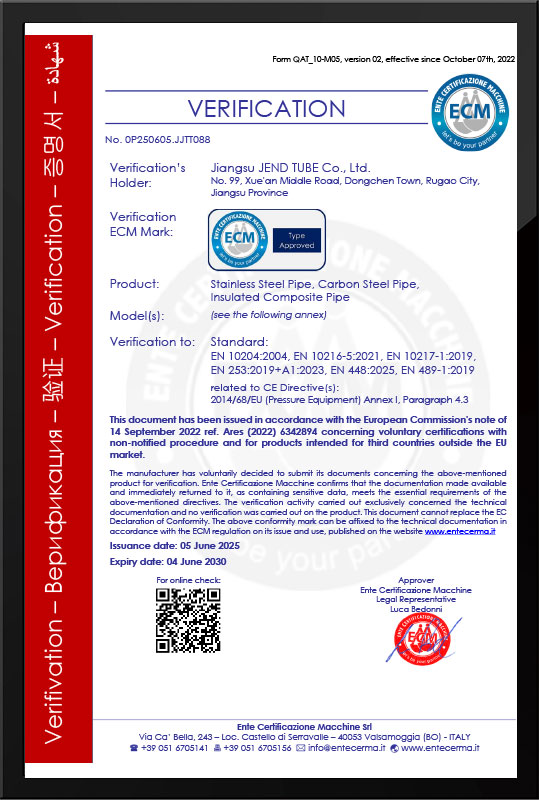
Certifications & Standards
Our food grade stainless steel tubing is certified to food contact, hygienic engineering, and international material standards:
ISO 9001:2015
EC 1935/2004
FDA 21 CFR
3-A Sanitary Standard
EHEDG Compliant
EN 10204 3.1 MTR
Frequently Asked Questions
What surface finish is required for food grade stainless tubing?
The 3-A Sanitary Standard requires product-contact stainless tube surfaces to have a maximum roughness of Ra ≤ 0.8μm. Our standard food grade supply is electropolished to Ra ≤ 0.4μm — exceeding the minimum requirement and providing a cleanability margin that supports faster CIP validation and inspectorate confidence in food safety audits. For potable water service, WRAS-approved finish (typically BA to Ra ≤ 0.8μm) is standard.
When should TP316L be specified instead of TP304 for food applications?
Specify TP316L when the food application involves chloride-containing ingredients (brines, salt, seawater-derived products), aggressive CIP chemicals including hypochlorite sanitizers or acidic CIP agents at elevated temperatures, or warm product contact combined with chloride-containing cleaning agents. For these conditions, TP304's lower chloride pitting resistance creates risk of surface pitting that destroys hygienic performance and creates uncleanable surface defects.
What is the difference between ISO 1127, DIN 11850, and SMS 3008 tube dimensions?
All three are OD-based hygienic tube dimension systems — differing in the specific OD and wall thickness combinations standardized. ISO 1127 is the international standard covering OD from 6mm to 220mm. DIN 11850 is the German dairy standard with slightly different OD values for the same nominal sizes. SMS 3008 is the Scandinavian standard widely used in brewing and dairy. The three systems use different OD values for the same nominal size — mixing standards on a single system creates fitting incompatibility at connection points.
Is electropolishing necessary for all food grade tube applications?
Electropolishing to Ra ≤ 0.4μm is recommended for all product-contact hygienic tube in dairy, beverage, and food processing applications where CIP cleaning must achieve validated microbiological cleanliness. For utility services (steam, hot water, compressed air, CIP chemical supply) in the food facility that do not contact the food product directly, bright annealed finish to Ra ≤ 0.8μm is typically adequate and provides a cost saving without compromising food safety.
What documentation is required for EC 1935/2004 food contact compliance?
EC 1935/2004 compliance requires a Declaration of Compliance (DoC) stating that the material complies with the Regulation, identifying the food contact material (stainless steel, TP304 or TP316L), confirming that the material is suitable for its intended food contact use, and providing traceability to the specific material specification and heat/lot number. Our standard supply documentation includes the DoC as part of the delivery paperwork for all food grade stainless tube orders.
Can food grade stainless tube be used for hot water distribution?
Yes, TP316L stainless in electropolished or bright annealed finish is an excellent material for hot water distribution in food factories — its corrosion resistance eliminates the rust contamination and pipe degradation products that affect carbon steel and copper hot water systems, and its smooth surface resists the biofilm formation that causes Legionella contamination risk in warm water distribution systems. Specify TP316L for chlorinated potable hot water above 50°C to prevent pitting from hypochlorite disinfection residuals.
What is the typical lead time for food grade stainless tubing?
Standard food grade TP316L in common ISO 1127 or DIN 11850 dimensions with electropolished finish is available within 10–20 days from stock. Non-standard dimensions or SMS 3008 Scandinavian standard sizes require 20–30 days. Compliance documentation (EC 1935/2004 DoC, 3-A surface cert) is prepared concurrently and does not extend the standard lead time.
Do you supply food grade tubing to dairy, brewing, and beverage manufacturers internationally?
Yes, we supply food grade stainless steel tubing to dairy processing companies, breweries, beverage manufacturers, and food processing equipment OEMs across Europe, Asia-Pacific, the Americas, and the Middle East, with EC 1935/2004 compliance documentation for European food manufacturers, FDA 21 CFR statements for US market supply, and 3-A Sanitary Standard surface certification for dairy-specific applications.
Ready to Order Food Grade Stainless Steel Tubing?
EC 1935/2004, FDA 21 CFR, 3-A certified, EP Ra≤0.4μm — your hygienic stainless tube supply specialist
Request a Quote