Search
 한국어
한국어 русский
 عربى
عربى
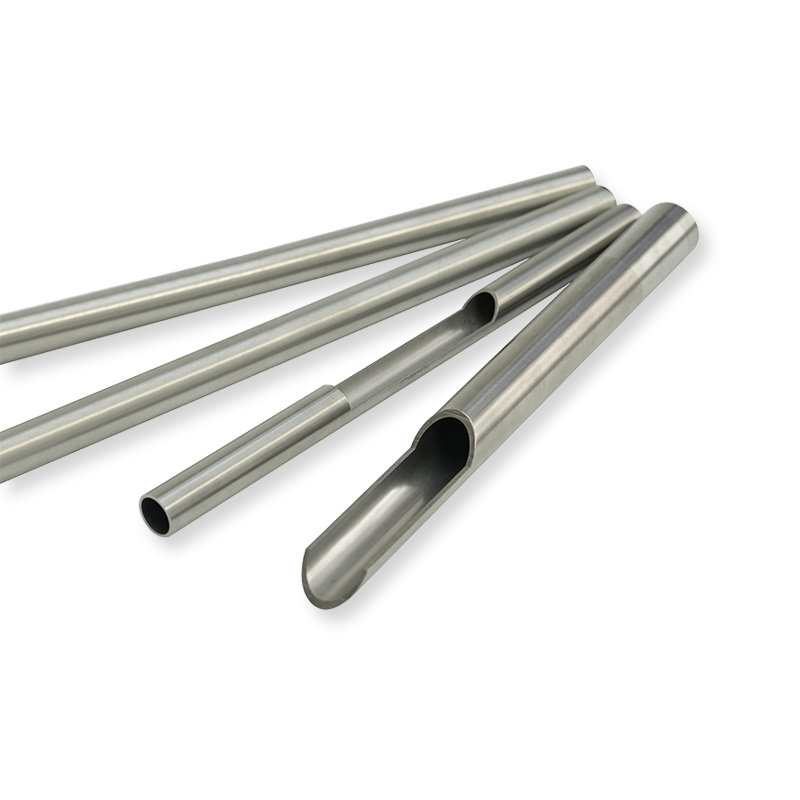
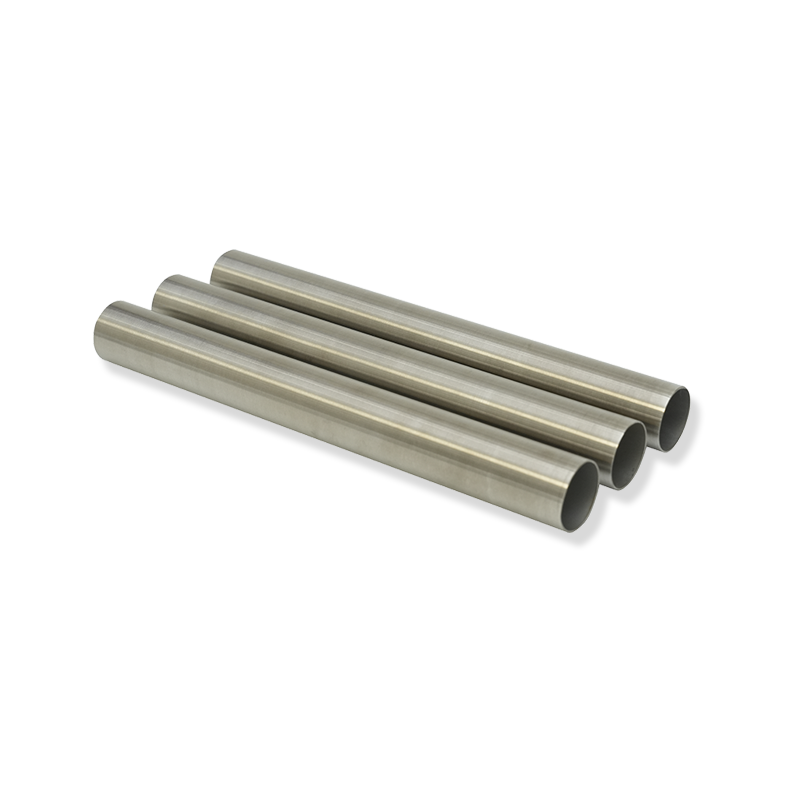
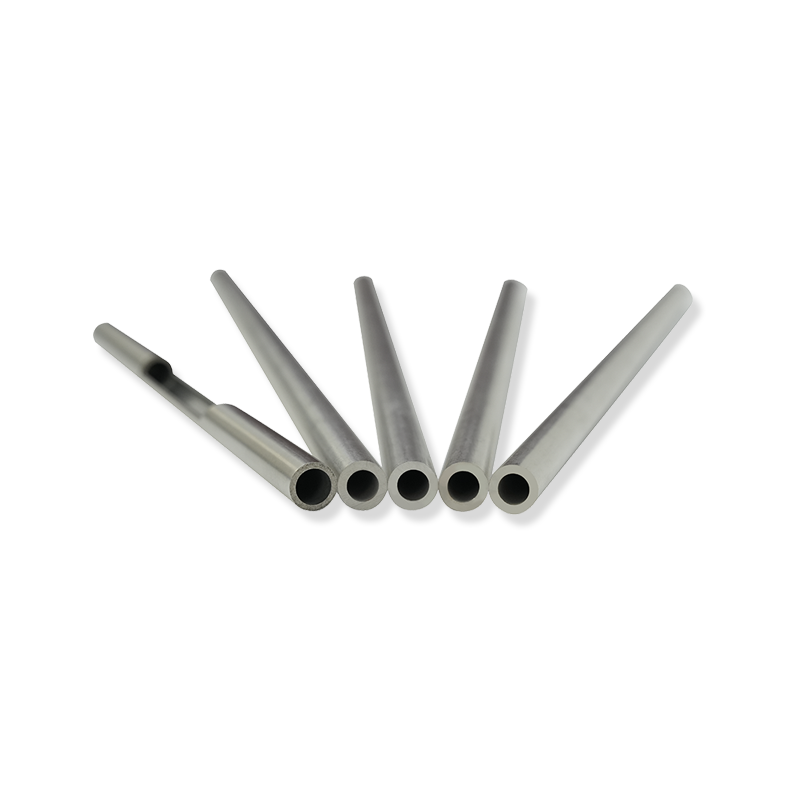
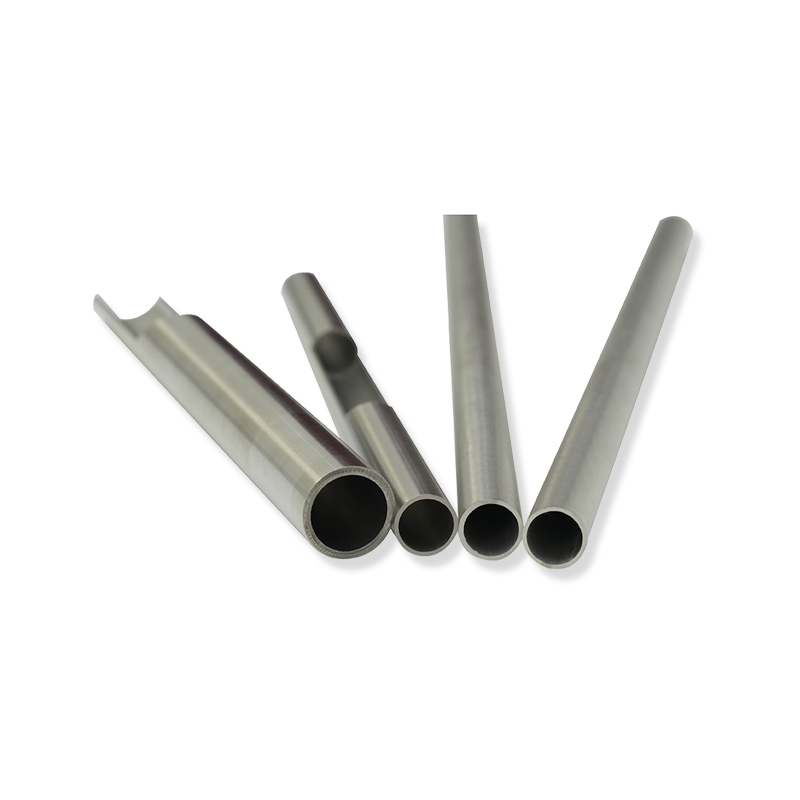
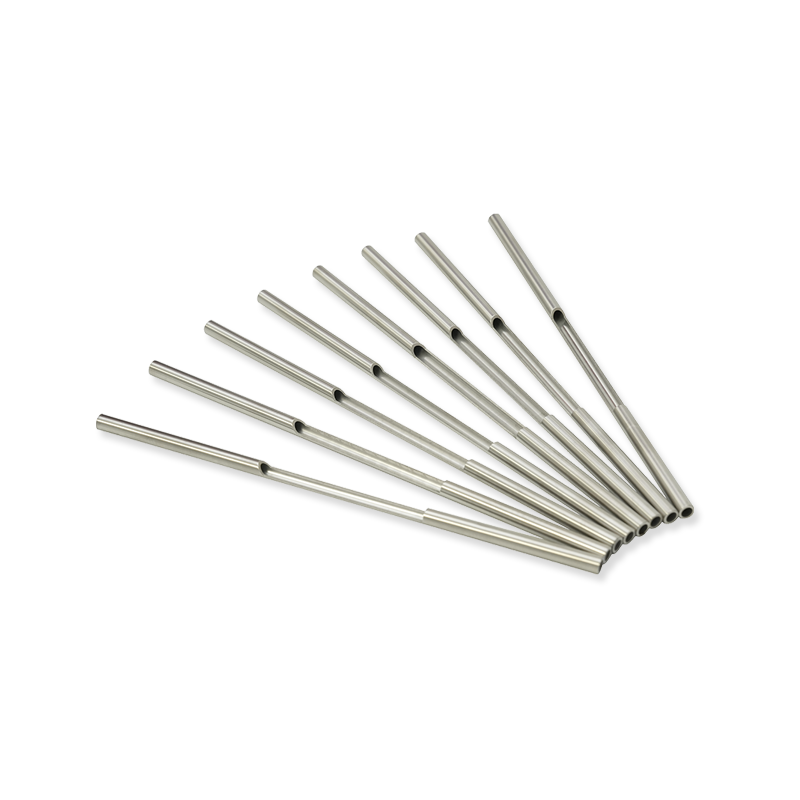
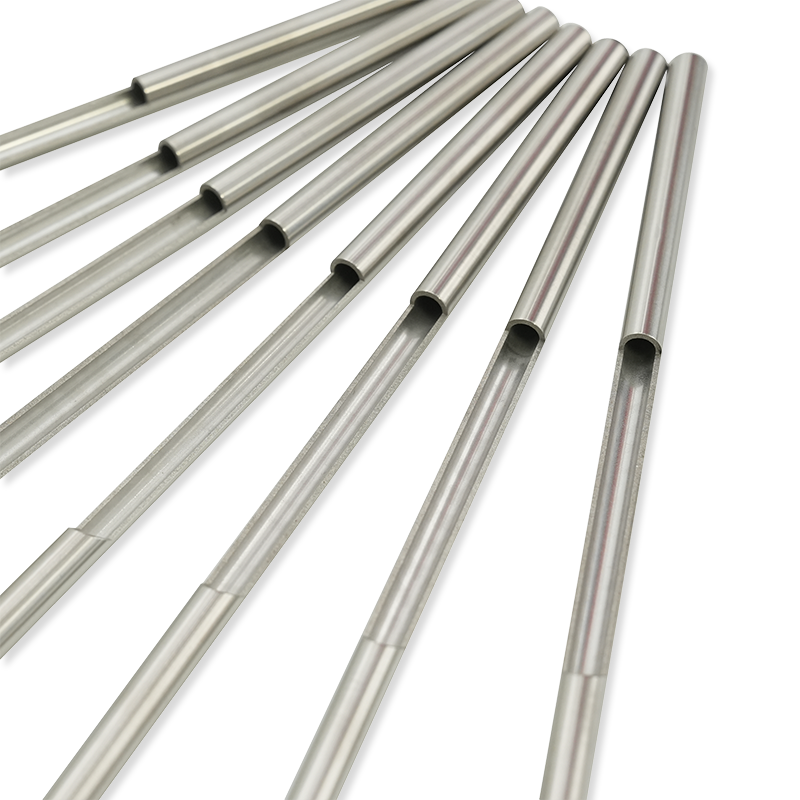
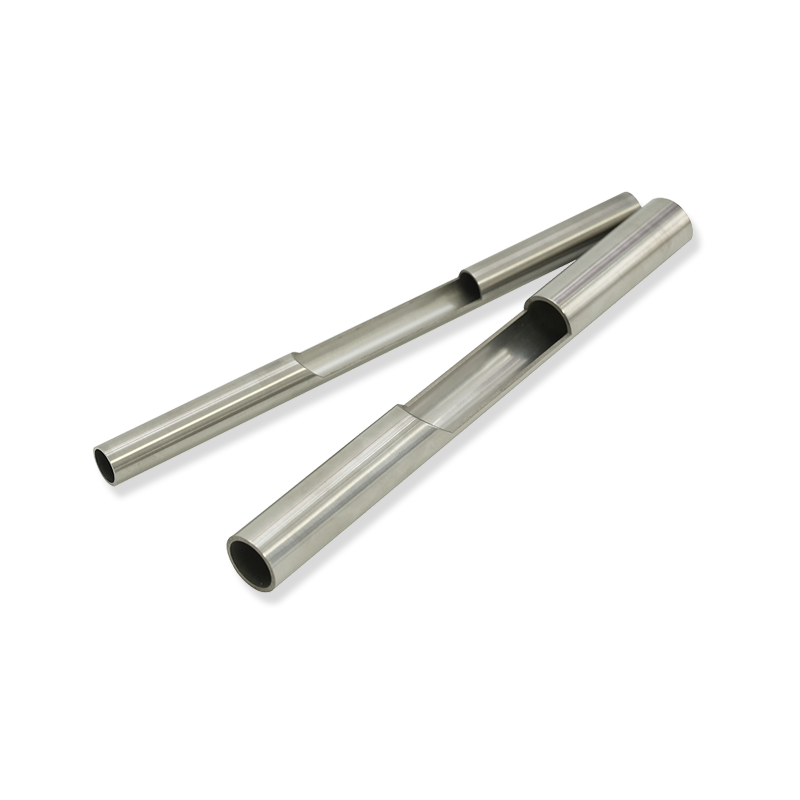
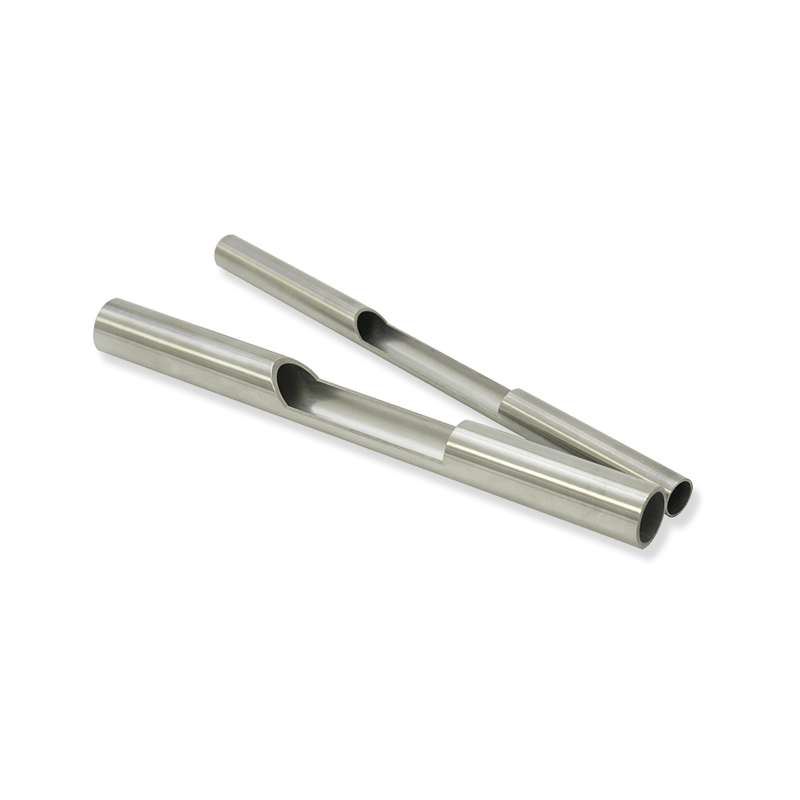

Utilizing 26 high-precision cold rolling mills and 6 cold drawing machines, we ensure dimensional accuracy and superior mechanical properties.
Acid Resistant Nickel Alloy Pipes
ASTM B622 / B619 | Hastelloy C-276 / C-22 / Incoloy 825 / Alloy 20 | Full Acid Spectrum Coverage
ISO 9001 | ASME B31.3 | PED | NACE CertifiedRelated Products
Introduction
Across the global chemical processing, mining, pharmaceutical, and specialty materials manufacturing industries, the handling of mineral and organic acids at elevated concentrations and temperatures represents one of the most materially demanding challenges in process plant engineering — a challenge that conventional iron-based stainless steels address inadequately and that only the specialized family of Acid Resistant Nickel Alloy Pipes can meet comprehensively across the full spectrum of acid types, concentrations, and temperature conditions encountered in industrial practice. This specialized pipe category encompasses a selection of premium nickel-base alloys — primarily Hastelloy C-276 (UNS N10276), Hastelloy C-22 (UNS N06022), Incoloy 825 (UNS N08825), and Alloy 20 (UNS N08020) — each engineered with a specific combination of nickel, chromium, molybdenum, tungsten, and copper additions that target the precise electrochemical mechanisms responsible for corrosive attack in different acid system types. The critical distinction between these acid-resistant nickel alloy pipes and the broader category of corrosion-resistant alloy piping lies in the depth and breadth of their acid resistance: while duplex stainless and super austenitic grades such as 904L provide useful resistance in selected acid environments at moderate conditions, the nickel alloy pipe grades in this category maintain acceptable corrosion rates — typically below 0.1 mm/year — across acid concentration ranges and temperature conditions that cause rapid and progressive corrosive attack on all iron-based alternatives, including the most highly alloyed 6Mo super austenitic stainless steel grades.
The corrosion resistance mechanisms operating in acid-resistant nickel alloy pipes are fundamentally different from those in chromium-based stainless steels and reflect the unique electrochemical properties of the nickel matrix. In stainless steels, corrosion resistance depends entirely on the stability of a chromium oxide passive film — a film that can be destabilized by reducing acids, high chloride concentrations, elevated temperatures, and crevice geometry, causing immediate transition from passive to active corrosion and unacceptably rapid metal loss. Nickel itself, as the primary matrix element in acid-resistant nickel alloys, has a much more noble electrochemical potential than iron in reducing acid environments and exhibits intrinsic corrosion resistance in reducing acids including hydrochloric acid and dilute sulfuric acid that is fundamentally independent of passive film formation. The molybdenum additions — reaching 15–17% in Hastelloy C-276 and 12–14% in Hastelloy C-22 — dramatically enhance resistance to both pitting corrosion in chloride-containing environments and general corrosion in reducing acid systems by increasing the alloy's critical pitting potential and widening the passive range in polarization curves for chloride media. The tungsten addition in Hastelloy C-22 (2.5–3.5% W) further improves resistance to pitting and crevice corrosion by synergistic interaction with molybdenum in stabilizing the passive film under the most aggressive chloride-plus-acid combined attack conditions encountered in FGD scrubber systems and mixed acid chemical plants.
The practical selection between acid-resistant nickel alloy pipe grades for specific chemical process applications requires careful evaluation of the acid type and its interaction with the available alloying additions. For hydrochloric acid service — one of the most challenging corrosive environments in industrial chemistry — Hastelloy C-276 and C-22 are the primary recommendations, with C-276 providing superior resistance in reducing HCl environments and C-22 offering better performance in the presence of oxidizing contaminants such as dissolved ferric iron or cupric salts that frequently accompany HCl streams in mineral processing operations. For sulfuric acid service across its full concentration range from dilute (<10%) to concentrated (>90%), Alloy 20 — with its combined chromium, nickel, molybdenum, and copper additions specifically balanced for H₂SO₄ service — provides the most cost-effective performance, while Hastelloy C-276 is reserved for the most severe temperature-concentration combinations where Alloy 20 corrosion rates become unacceptable. For mixed acid environments combining nitric acid with hydrofluoric, hydrochloric, or sulfuric components — encountered in stainless steel pickling baths, semiconductor manufacturing, and specialty chemical synthesis — Hastelloy C-22's superior resistance to oxidizing-reducing acid transitions makes it the preferred specification over C-276, which can experience accelerated attack in highly oxidizing nitric acid service.
Our acid resistant nickel alloy pipe program covers the complete portfolio of industrial acid-resistant alloy grades in pipe sizes from 10.3mm NPS to 600mm OD, with wall thicknesses spanning schedule 10S through schedule 160 and custom heavy wall configurations for high-pressure acid injection and reactor feed line applications. All pipes are manufactured to ASTM B622 (seamless), ASTM B619 (welded), and ASTM B775 (welded, large diameter) standards, with ASME B31.3 process piping pressure-temperature ratings calculated and documented for project engineering teams. Our technical library maintains comprehensive isocorrosion charts for all supplied alloy grades in common mineral and organic acid systems, enabling our application engineers to provide quantitative corrosion rate estimates at your specific process conditions as a basis for alloy selection justification and pipe replacement interval planning. Every acid-resistant nickel alloy pipe shipment is supported by EN 10204 3.1 Mill Test Reports with full chemical analysis, mechanical properties, and non-destructive examination records, providing the complete material traceability required by process safety management programs in chemical manufacturing facilities subject to regulatory oversight.
Specifications
| Available Grades | Hastelloy C-276, C-22, Incoloy 825, Alloy 20 |
| Standard | ASTM B622, B619, B775, ASME B31.3 |
| Outer Diameter | 10.3mm - 600mm (NPS 1/8" to 24") |
| Wall Thickness | Sch 10S to Sch 160, Custom Heavy Wall |
| Length | Up to 12000mm (Random or Fixed) |
| Finish | Pickled & Passivated (Standard) |
Chemical Composition (Hastelloy C-276)
| Element | Ni | Cr | Mo | W | Fe | Co | C |
| Value (%) | Bal.(≥57) | 14.5-16.5 | 15.0-17.0 | 3.0-4.5 | 4.0-7.0 | ≤2.5 | ≤0.01 |
Broadest Acid Coverage15-17% MoHCl & H₂SO₄ Resistant
Mechanical Strength (Hastelloy C-276)
Comprehensive Info
| MOQ | 50kg per grade (Negotiable) |
| Lead Time | 25 - 50 Days |
| Packaging | Grade-Segregated Crates with Acid-Safe Wrapping |
| Certifications | ISO 9001, ASME B31.3, NACE, PED |
| Raw Materials | VIM/VAR Remelt Quality Nickel Alloy |
| Customization | Grade, Schedule, Length, End Prep, Isocorrosion Data |
Applications
HCl Production & HandlingHydrochloric acid synthesis reactor piping and distribution lines where Hastelloy C-276 provides the only reliable long-term resistance
Flue Gas Desulfurization SystemsFGD absorber tower piping and slurry handling lines in power plant emission control systems handling hot chloride-sulfate slurries
Pharmaceutical Acid ProcessingAPI synthesis reactor piping and solvent recovery lines handling mixed organic-mineral acid reaction streams
Mining Acid Leach CircuitsHeap leach pad piping and SX-EW circuit lines in copper, gold, and uranium acid leaching operations
Semiconductor ManufacturingUltra-high-purity acid distribution piping for HF, HCl, H₂SO₄, and mixed acid wet bench processes in wafer fabrication facilities
Waste Acid Treatment PlantsSpent acid regeneration plant piping handling variable-concentration mixed acid streams at elevated temperatures
Advantages
Widest Acid Resistance Spectrum
Hastelloy C-276 and C-22 cover HCl, H₂SO₄, HF, H₃PO₄, acetic acid, and mixed acid streams in a single alloy system — eliminating multi-material piping complexity in mixed-acid chemical plants.
Reducing Acid Immunity
Nickel matrix provides intrinsic corrosion resistance in reducing acids independent of passive film stability — eliminating the catastrophic active-passive transition failures that affect stainless steel in reducing acid environments.
High-Temperature Acid Capability
Acceptable corrosion rates maintained at acid temperatures 20–40°C higher than the practical service limits of super austenitic stainless grades, enabling more aggressive process conditions without material upgrade.
Quantifiable Service Life
Isocorrosion data for all grades in common acid systems enables corrosion rate calculation at design conditions, supporting pipe replacement interval planning and total cost of ownership optimization.
About Jiangsu Jend Tube Co.,Ltd.
As China Acid Resistant Nickel Alloy Pipes Manufacturers and Wholesale Acid Resistant Nickel Alloy Pipes Factory, Established in 2011 and is a manufacturing enterprise with a complete manufacturing cycle from raw material selection to finished product delivery. The company currently has more than 100 employees, covers an area of 30015 square meters, and has a registered capital of 48 million yuan, annual production capacity of 3800 tons.
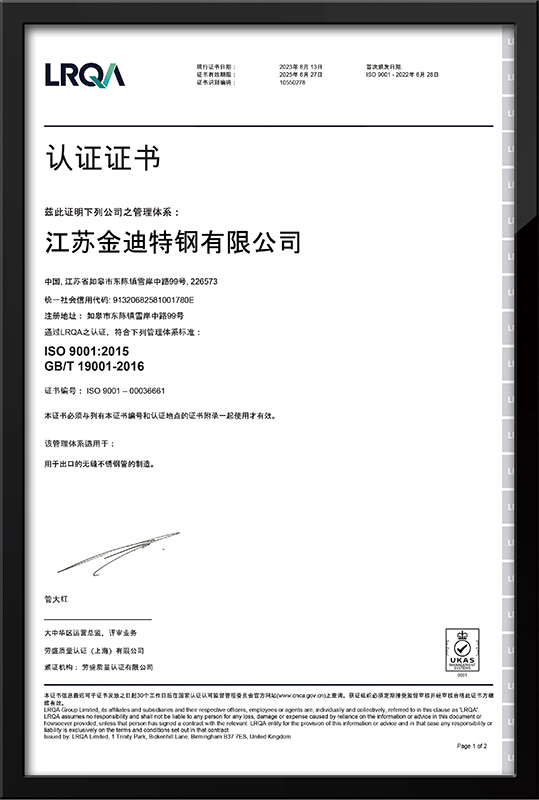
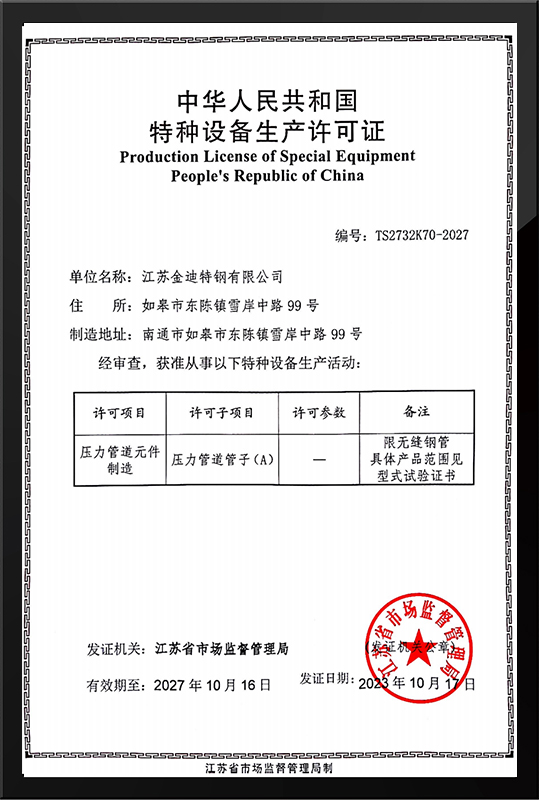
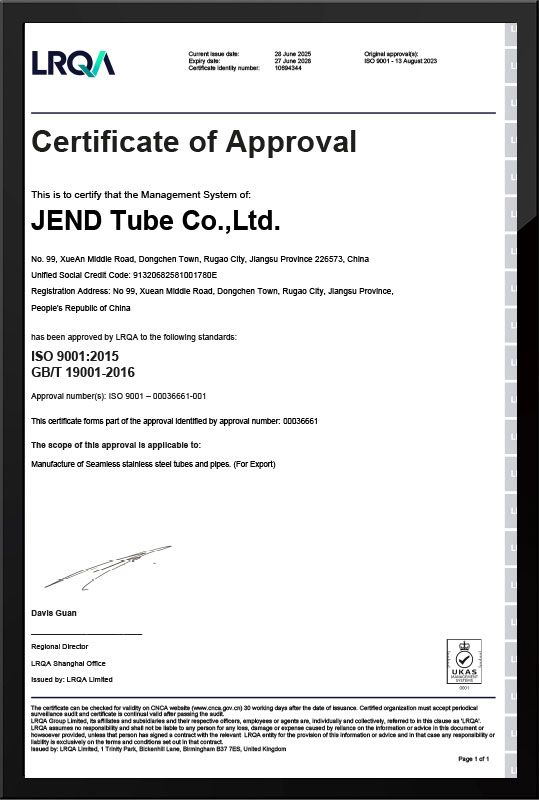
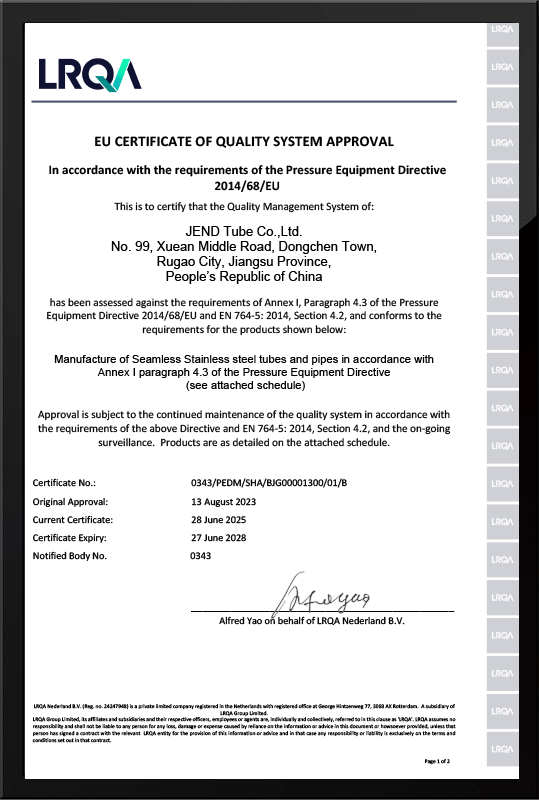
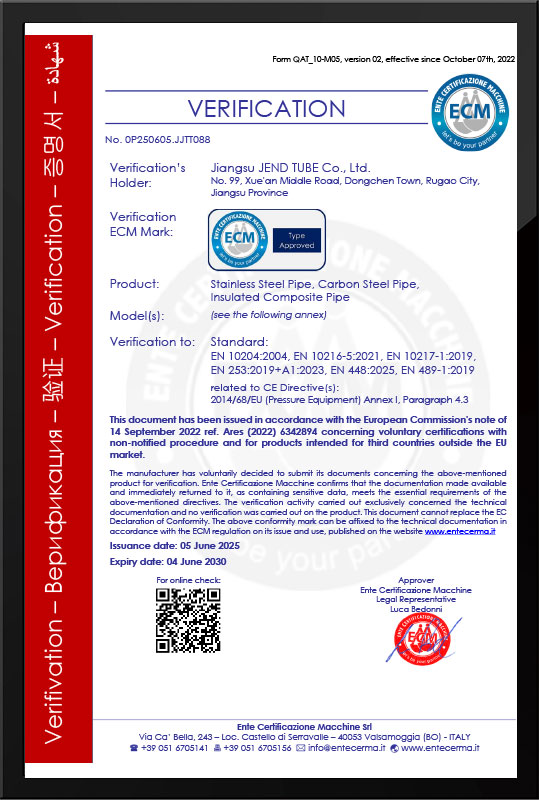
The company has passed ISO9001:2015 quality certification, domestic pressure vessel TS certification, and foreign pressure vessel PED certification. With rich experience and mature technology, we have been expanding our market internationally. At present, our products are exported to more than 50 countries and regions including Europe, America, Southeast Asia, and the Middle East.
The company adheres to different production norms and standards such as the American standard (ASTM), the European standard (EN), the German standard (DIN), the Japanese standard (JIS), the Russian standard (GOST), and the Chinese standard (GB).
Our company specializes in and customizes various specifications of Martensite TP410 (0Cr13, 1Cr13), Ferrite TP405 (1Cr13Al), TP430 (1Cr17), TP444 (0Cr18Mo2), TP439, TP409 (0Cr11Ti), It is also proficient in manufacturing Austenitic seamless stainless steel pipes of series such as TP304(L/H), TP316(L/H/Ti), TP310S, TP317, TP321(H) and TP347(H). Duplex such as S31803, S2205, S32750, S32304, and Nickel-based alloys Monel400, Monel600, Monel800, GH3030, 904L, Inconel 625, etc.
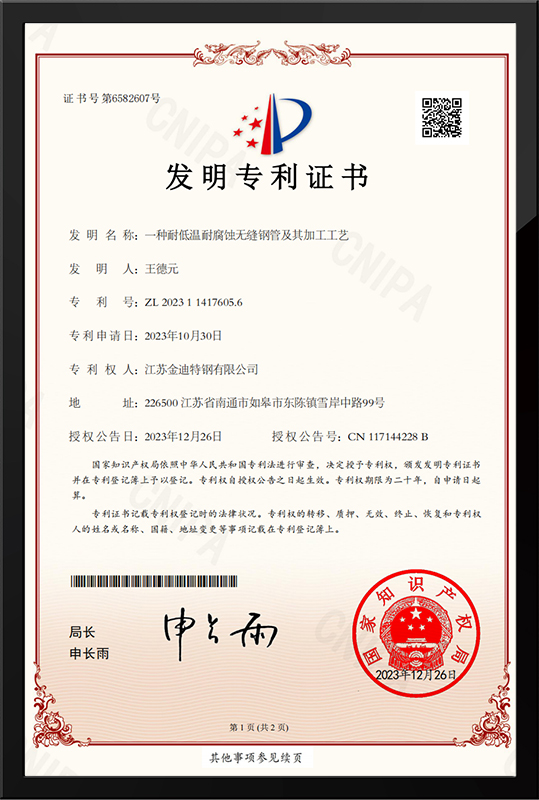
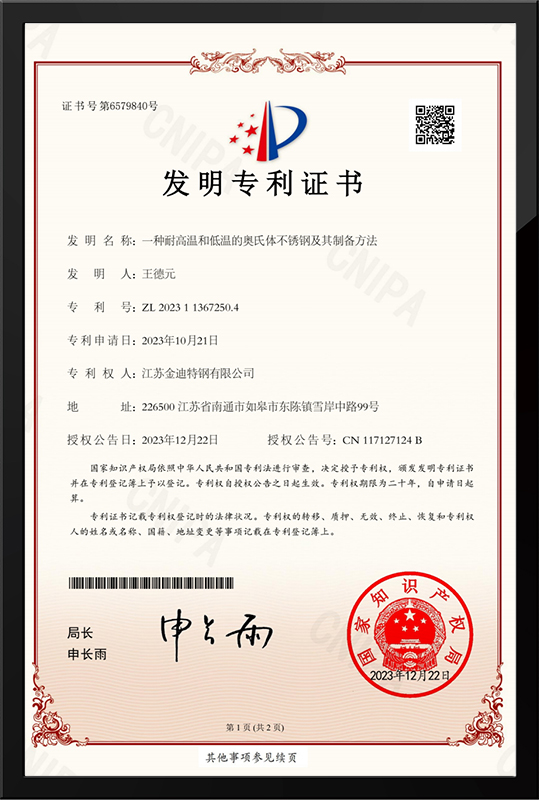
The company mainly produces seamless steel pipes with the following specifications: outer diameter: 3.18mm to 406.4mm, wall thickness: 0.3mm to 20mm, and the longest length is 25000mm. Additionally, it can customize seamless steel pipes with special materials and specifications according to customer requirements. The company attaches great importance to scientific innovation. The staff of the company vigorously develop technological research and development.
Jiangsu Jend Tube Co.,Ltd. will continuously accumulate professional knowledge and capabilities, striving to become a leader in the domestic market and even the world market. Strive to be the most reassuring pipe manufacturing enterprise for customers.
Precision Manufacturing and Process Optimization
We rely on precision equipment and optimized production technologies to achieve outstanding mechanical performance and consistent product quality.

Cold Rolling and Cold Drawing

Solution Heat Treatment
Natural gas solution treatment furnaces and BA solution treatment furnaces optimize the material's grain structure, enhancing corrosion resistance.

Precision Straightening and Polishing
10 straightening machines and 8 finishing polishing machines guarantee product surface smoothness and dimensional accuracy.

Automated Inspection and Quality Assurance
Real-time monitoring systems ensure the stable quality of every batch of products.
Product Usage Tips
Welding Acid-Service Nickel Alloy Pipe
Use matching or over-alloyed filler: ERNiCrMo-4 for C-276, ERNiCrMo-10 for C-22, ERNiCrMo-3 for Incoloy 825. Maintain interpass temperature below 100°C for high-molybdenum grades to prevent Mo-rich phase precipitation. Perform solution anneal at 1120°C after welding for the most aggressive acid service applications to dissolve any secondary phases formed during welding thermal cycles.
Oxidizing vs Reducing Acid Selection
The critical alloy selection parameter for acid service is whether the acid environment is oxidizing or reducing. In reducing HCl and dilute H₂SO₄, C-276 provides maximum resistance. When oxidizing contaminants (Fe³⁺, Cu²⁺, HNO₃, dissolved O₂) are present, the environment transitions toward oxidizing and C-22 outperforms C-276. Always characterize the oxidizing-reducing character of the acid stream before finalizing alloy selection.
Galvanic Isolation Requirements
When connecting nickel alloy acid pipes to stainless steel or carbon steel components, install dielectric isolation flanges to prevent galvanic corrosion of the less noble material. In acid environments, the galvanic potential difference between nickel alloys and iron-based piping can accelerate corrosion of connected stainless steel components by 3–5× the uncoupled rate in concentrated acid service.
Contamination Prevention During Installation
Protect all nickel alloy acid pipe bore surfaces from iron contamination during installation — iron particles embedded in the bore surface initiate rapid localized pitting when exposed to acid process media. Use dedicated non-ferrous grinding wheels, stainless steel wire brushes, and clean nitrogen purge gas during orbital welding to prevent both external and internal contamination of the acid-contact surface.
Value-Added Processing Services
We provide application-specific processing for acid service nickel alloy piping systems:
Precision Cutting & Beveling
Plasma or waterjet cutting to ±0.5mm with ASME B16.25 weld-end bevel preparation for acid-service piping installation.
Post-Weld Solution Annealing
Controlled atmosphere solution anneal at 1080–1120°C for maximum corrosion resistance restoration in critical acid service welds.
Isocorrosion Data Package
Grade-specific corrosion rate data at your process acid concentration and temperature for design life calculations.
ASTM G28 IGC Testing
Intergranular corrosion testing for weld HAZ qualification in acid service per ASTM G28 Method A or B.
Payment & Shipping
Payment Terms
- T/T (Telegraphic Transfer)
- L/C at Sight (Letter of Credit)
- Western Union
- Flexible terms for long-term partners
Shipping Options
- Sea Freight (FCL/LCL)
- Air Freight for urgent orders
- Express for small samples
- Grade-segregated acid-safe packaging with alloy certification tags
Certifications & Standards
Our acid resistant nickel alloy pipes are qualified to international chemical process piping and pressure vessel standards:
ISO 9001:2015
ASME B31.3
NACE MR0175
ASTM B622 / B619
PED Certification
EN 10204 3.1 MTR
Frequently Asked Questions
What is the difference between Hastelloy C-276 and C-22 for acid service?
C-276 has slightly higher molybdenum (15–17%) providing superior resistance in reducing acid environments including pure HCl and H₂SO₄. C-22 has more balanced Cr-Mo-W composition (22% Cr, 13% Mo, 3% W) providing better resistance in environments with oxidizing acid components such as mixed HNO₃/HCl or FGD scrubber liquors containing oxidizing chlorine species.
When should Alloy 20 be specified instead of Hastelloy C-276?
Alloy 20 (UNS N08020) is specifically optimized for sulfuric acid service across 0–98% H₂SO₄ concentration at moderate temperatures, providing better performance than 316L in H₂SO₄ at substantially lower cost than Hastelloy C-276. For H₂SO₄ service below 60°C where C-276 is not required by severity of conditions, Alloy 20 provides the optimal cost-performance balance.
Can nickel alloy acid pipes handle mixed oxidizing and reducing acid streams?
Yes, Hastelloy C-22 is specifically designed for mixed oxidizing-reducing acid environments where the process stream composition varies between oxidizing and reducing conditions. Its balanced Cr-Mo-W composition maintains adequate corrosion resistance across the full oxidizing-reducing transition range — a critical advantage in processes where acid composition fluctuates during normal operation.
Is post-weld solution annealing required for acid service nickel alloy pipe welds?
Post-weld solution annealing at 1080–1120°C is strongly recommended for Hastelloy C-276 and C-22 welds in the most aggressive acid service conditions, as it dissolves any molybdenum-rich secondary phases formed during welding that can reduce local corrosion resistance. For moderate acid service, the as-welded condition with minimum interpass temperature control is often acceptable with appropriate welding parameter qualification.
Do you provide corrosion rate data to justify alloy selection?
Yes, our technical library maintains isocorrosion data for Hastelloy C-276, C-22, Incoloy 825, and Alloy 20 in HCl, H₂SO₄, H₃PO₄, HF, HNO₃, and common mixed acid systems across concentration and temperature ranges. We can provide expected corrosion rates at your specific process conditions to support alloy selection documentation and pipe replacement interval planning.
What pipe schedules are available for high-pressure acid injection lines?
We supply acid-resistant nickel alloy pipes in standard schedules from 10S through 160 and in custom heavy-wall configurations for high-pressure applications. ASME B31.3 pressure-temperature ratings at your operating temperature are calculated for the specified alloy grade and wall thickness to confirm adequate pressure containment at design conditions.
What is the lead time for acid-resistant nickel alloy pipe in non-standard sizes?
Standard sizes of Hastelloy C-276 and Incoloy 825 pipe are available within 25–40 days. Non-standard dimensions, heavy-wall schedules, or less common grades such as C-22 or Alloy 20 in larger diameters typically require 40–60 days depending on the complexity of the specification and production scheduling.
Do you supply to mining acid leach and FGD projects internationally?
Yes, we supply acid-resistant nickel alloy pipes to mining heap leach operations, FGD emission control systems, and chemical plant acid piping projects across Latin America, Africa, Southeast Asia, and Europe, with full ASTM B622/B619 certification, ASME B31.3 pressure ratings, and isocorrosion data documentation for project engineering teams.
Ready to Order Acid Resistant Nickel Alloy Pipes?
Describe your acid type, concentration, and temperature — we will specify the optimal alloy and provide corrosion rate data
Request a Quote