Search
 한국어
한국어 русский
 عربى
عربى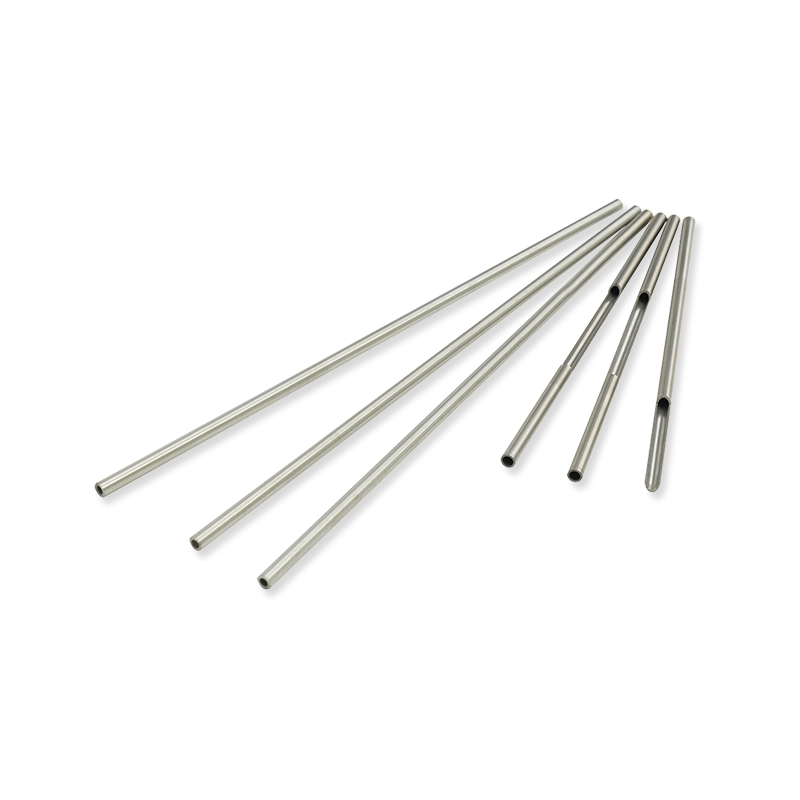
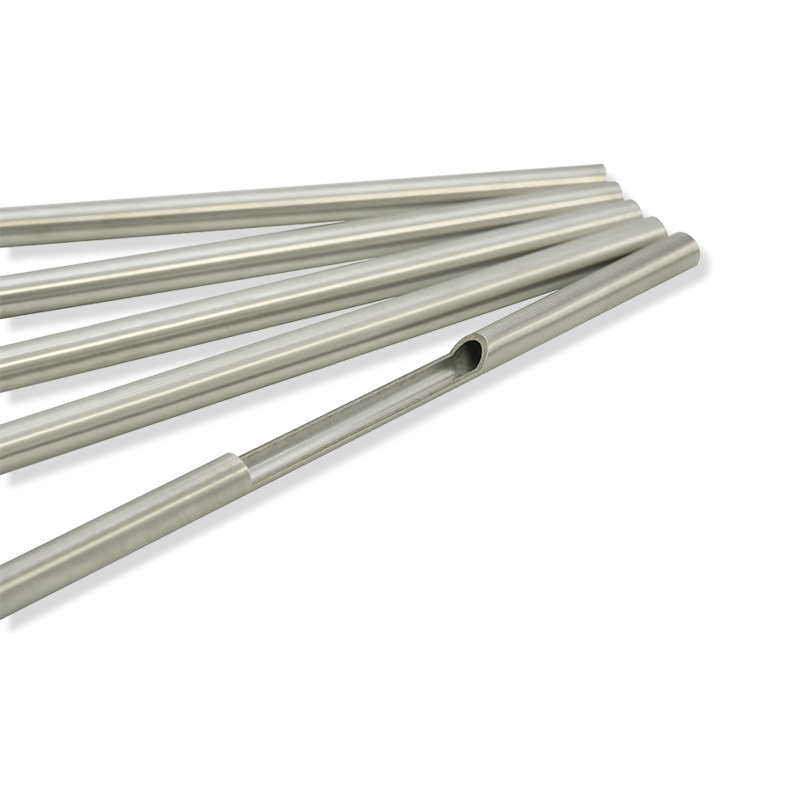
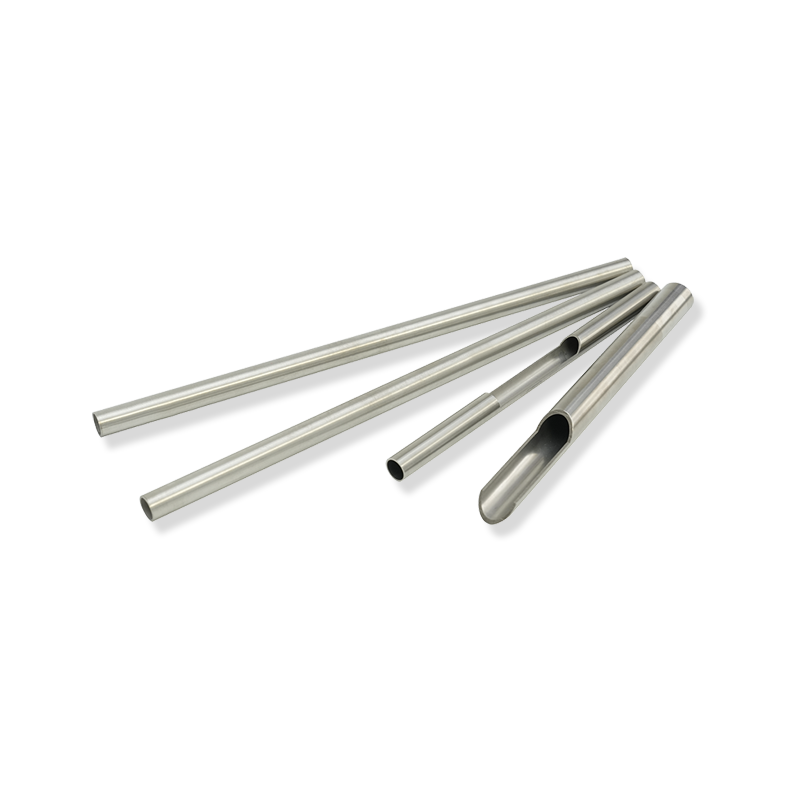
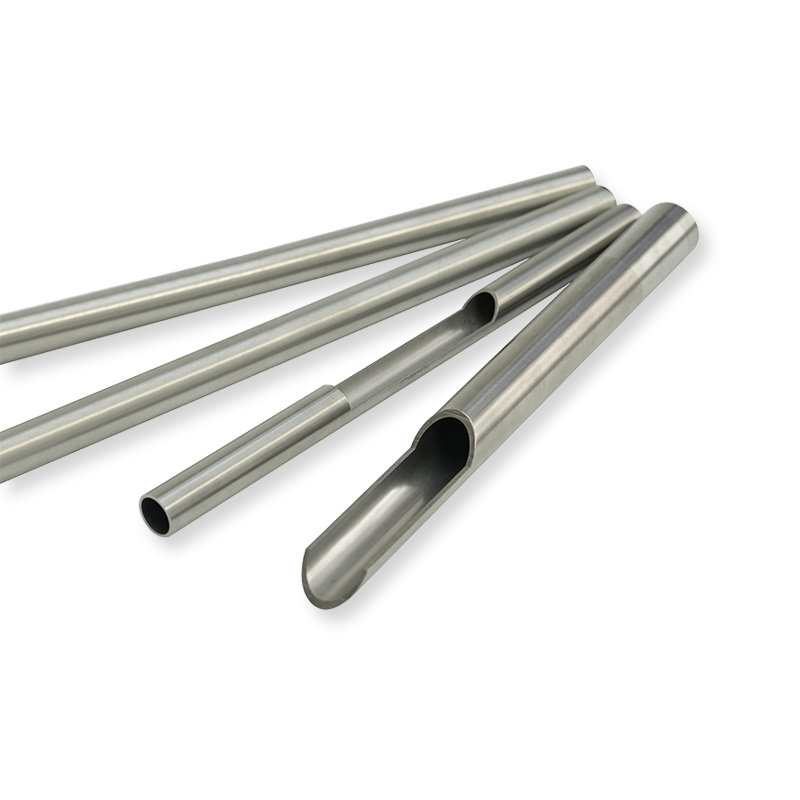
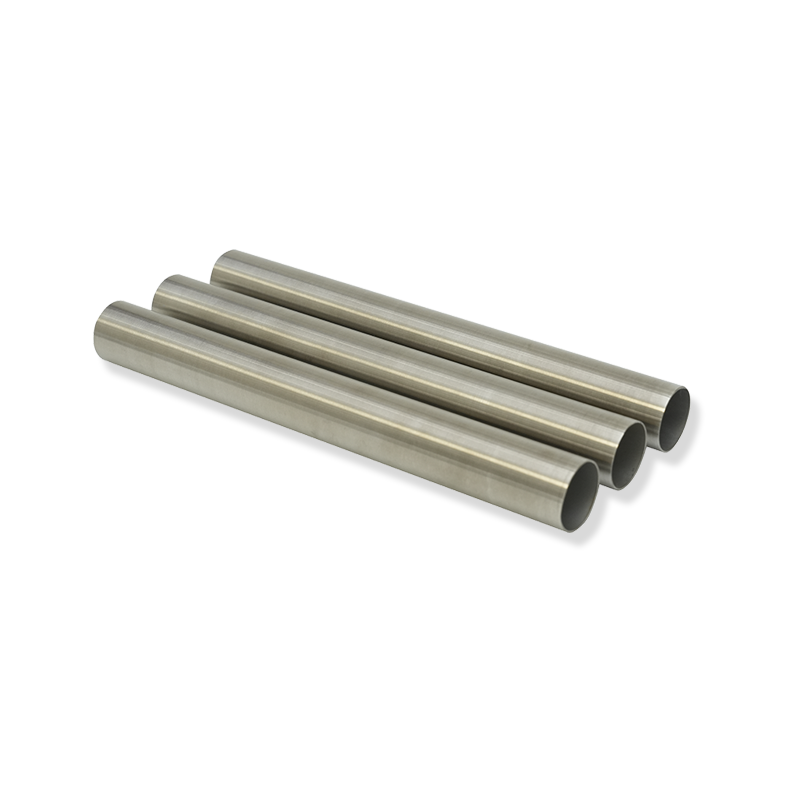
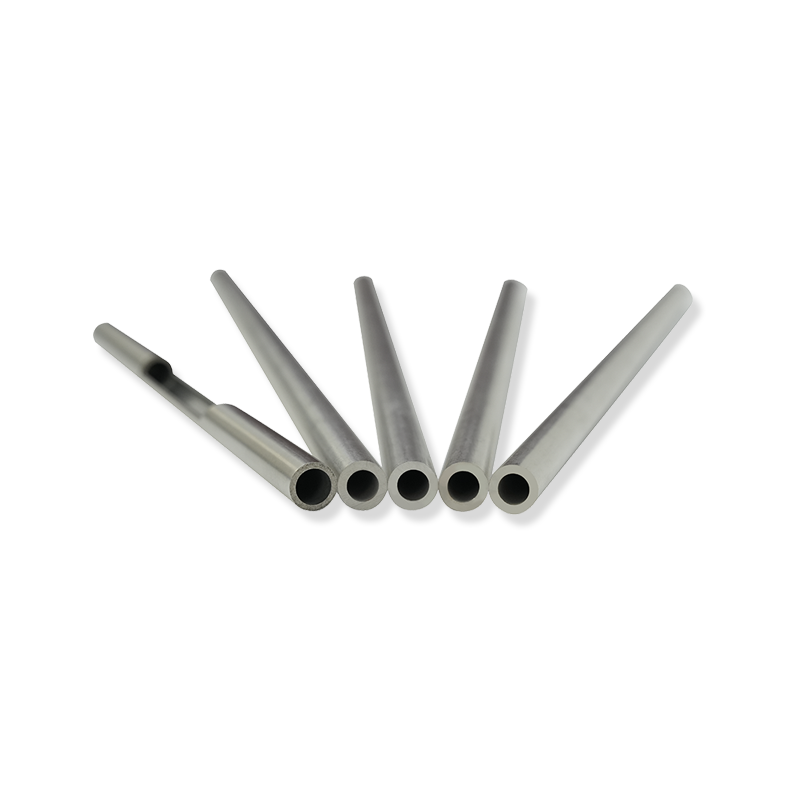
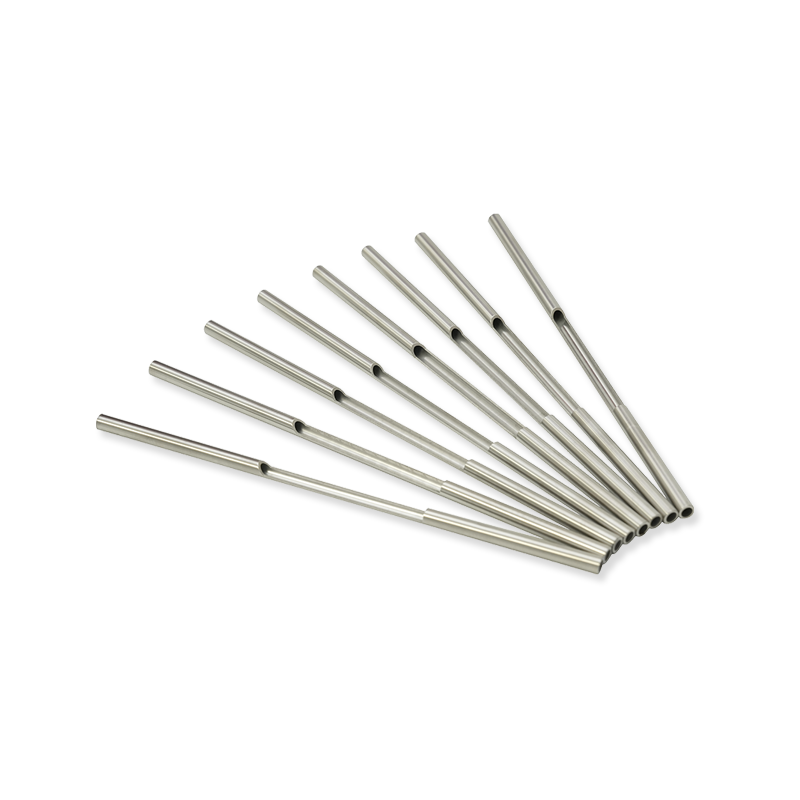
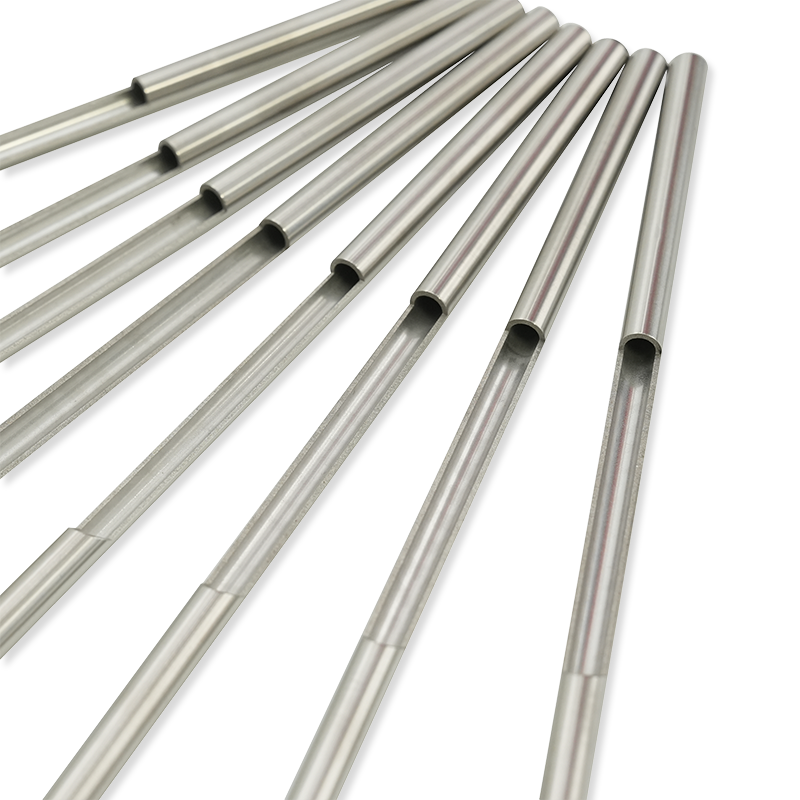
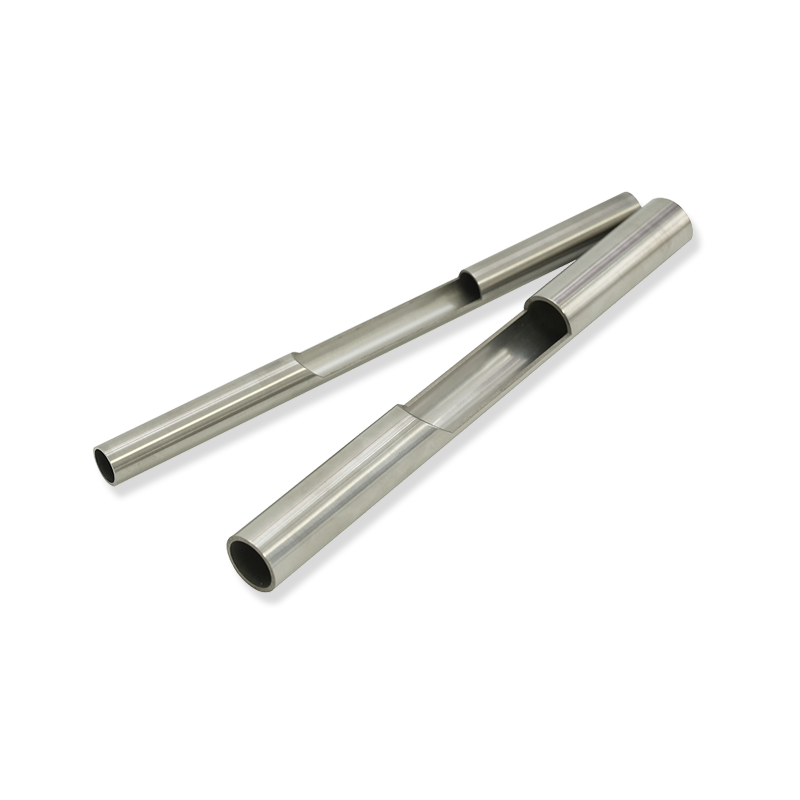
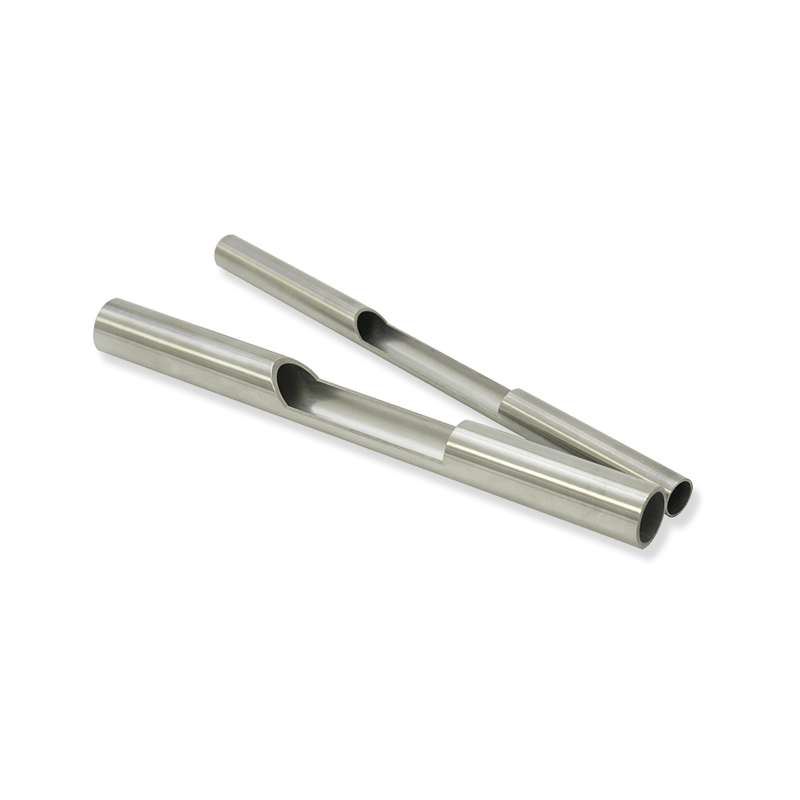
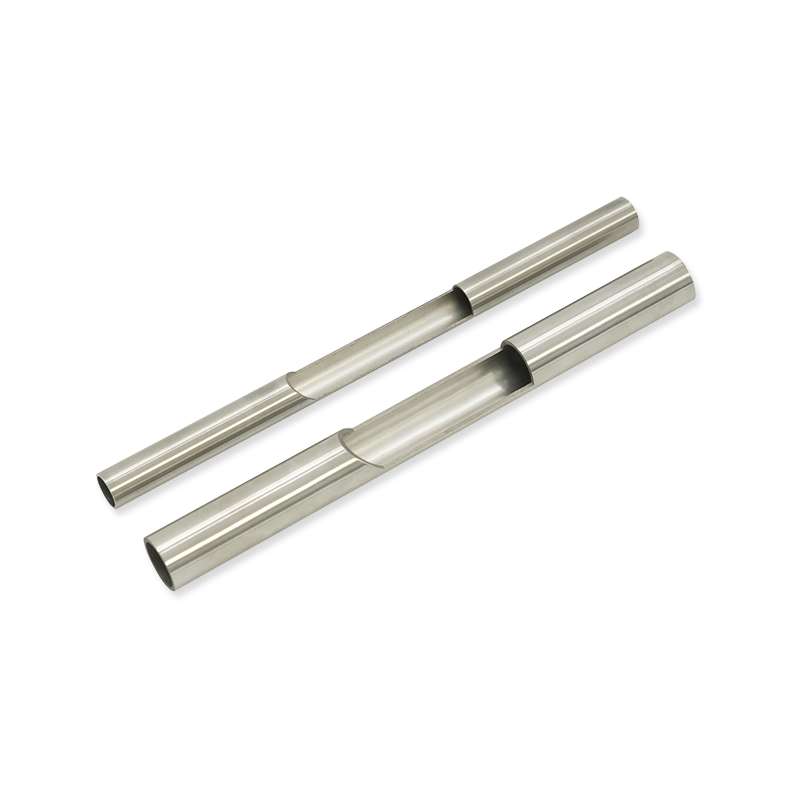

Utilizing 26 high-precision cold rolling mills and 6 cold drawing machines, we ensure dimensional accuracy and superior mechanical properties.
Nickel Alloy Heat Exchanger Tubing
ASTM B163 / B515 | Incoloy 825 / Inconel 625 / Hastelloy C-276 / Monel 400 | Multi-Grade Program
ISO 9001 | TEMA | PED | ASME CertifiedRelated Products
Introduction
In the design of industrial heat exchangers operating at the intersection of extreme thermal flux, aggressive chemical environments, and demanding mechanical loading, the selection of tube material represents the single most consequential engineering decision that determines whether the heat exchanger will deliver its intended thermal performance reliably over a multi-decade operational lifetime or become a source of chronic corrosion failures, unplanned shutdowns, and escalating maintenance costs. Nickel Alloy Heat Exchanger Tubing addresses this challenge by providing a curated family of alloy solutions — spanning Inconel 625, Incoloy 825, Hastelloy C-276, Monel 400, and Incoloy 800HT — each optimized for a specific combination of corrosive process media, thermal operating conditions, and pressure containment requirements that collectively define the most demanding tier of heat exchanger service in the global chemical processing, offshore, power generation, and refinery industries. The unifying characteristic of nickel alloy heat exchanger tubing across all grades in this family is the presence of nickel as the primary matrix element — typically comprising 30–80% of the alloy composition — which provides the fundamental corrosion resistance mechanisms, high-temperature strength retention, and microstructural stability under long-term service exposure that collectively distinguish nickel alloys from iron-based stainless steels in the most aggressive heat exchanger service environments. The choice between specific nickel alloy grades within this family is driven by the precise corrosive chemistry of the process and shell-side fluids, the maximum tube wall temperature, the required pressure rating, and the fabricability constraints imposed by the heat exchanger design — factors that our technical team evaluates systematically to ensure that every nickel alloy heat exchanger tube specification delivers the intended service life with documented engineering justification.
The thermal performance characteristics of nickel alloy heat exchanger tubing are as important as its corrosion resistance in determining overall heat exchanger system value. The thermal conductivity of nickel alloys — typically 10–15 W/m·K depending on alloy composition — is lower than that of copper alloys and titanium but significantly higher than that of zirconium and tantalum alternatives, placing nickel alloy tubing in the optimal position for heat exchanger applications where corrosion resistance rather than maximum thermal conductivity is the design-governing parameter. The smooth internal bore of cold-drawn seamless nickel alloy tubes, typically achieving Ra values below 0.8μm without additional polishing, minimizes fouling deposit adhesion on the tube inner surface — a critical advantage in heat exchangers handling process fluids that contain dissolved solids, organic fouling precursors, or biological growth media, as fouling deposit accumulation on tube surfaces progressively degrades heat transfer efficiency and accelerates under-deposit corrosion attack that is often more severe than the general corrosion rate of the clean alloy surface. The dimensional precision of seamless nickel alloy heat exchanger tubes — with outer diameter tolerances of ±0.08mm and wall thickness tolerances of ±10% achievable through precision cold-drawing — ensures consistent tube-to-tubesheet joint quality during hydraulic or mechanical expansion, providing the leak-free joint integrity that is the primary quality criterion for high-pressure heat exchanger tube bundle fabrication.
Among the nickel alloy grades commonly specified for heat exchanger tubing, each occupies a distinct corrosion performance niche that defines its optimal application domain. Incoloy 825 (UNS N08825) — with 38–46% nickel, 19.5–23.5% chromium, 2.5–3.5% molybdenum, and 1.5–3.0% copper — provides an excellent cost-performance balance for sulfuric and phosphoric acid heat exchangers, offering substantially better corrosion resistance than 316L at a significantly lower alloy cost than Inconel 625 or Hastelloy C-276. Hastelloy C-276 (UNS N10276) — with 57% nickel, 15–17% chromium, and 15–17% molybdenum — provides the broadest chemical resistance of any commercially available heat exchanger tube alloy, covering oxidizing and reducing acids, mixed acid streams, and chloride environments that challenge even Inconel 625. Inconel 625 brings unique fatigue resistance and weldability advantages for heat exchangers subject to vibration or flow-induced tube motion. Monel 400 provides the definitive solution for HF acid cooler and condenser applications. The selection matrix between these grades, guided by corrosion test data, published isocorrosion charts, and application engineering experience, ensures that the specified alloy delivers optimal service life-to-cost performance for each specific heat exchanger application.
Our nickel alloy heat exchanger tubing supply program encompasses the complete range of grades and dimensions required for industrial heat exchanger fabrication, from 6.35mm OD thin-wall precision tubes for compact heat exchanger designs to 50.8mm OD heavy-wall tubes for high-pressure process coolers and reboilers. All tubes are manufactured to ASTM B163 (seamless), ASTM B515 (welded), and equivalent EN 10216-5 standards, with tube-to-tubesheet expansion qualification testing available for specific heat exchanger design configurations. Comprehensive EN 10204 3.1 Mill Test Reports are standard, and supplementary testing including intergranular corrosion testing, eddy current inspection, hydrostatic pressure testing, and pitting corrosion evaluation can be arranged for critical service qualification. Our engineering team maintains application databases covering corrosion performance data for all standard nickel alloy grades in common heat exchanger process media, enabling rapid alloy selection recommendations supported by quantitative corrosion rate data for customer project teams.
Specifications
| Available Grades | Incoloy 825, Inconel 625, Hastelloy C-276, Monel 400, Incoloy 800HT |
| Standard | ASTM B163, B515, EN 10216-5 |
| Outer Diameter | 6.35mm - 50.8mm |
| Wall Thickness | 0.5mm - 5.0mm |
| Length | Up to 25000mm (Fixed Length Available) |
| Finish | Bright Annealed, Pickled, or Electropolished |
Incoloy 825 Composition (Most Common HX Grade)
| Element | Ni | Cr | Mo | Cu | Fe | Ti | C |
| Value (%) | 38.0-46.0 | 19.5-23.5 | 2.5-3.5 | 1.5-3.0 | Bal. | 0.6-1.2 | ≤0.05 |
Multi-Grade SelectionAcid & Seawater RatedTEMA Compliant
Mechanical Strength (Incoloy 825)
Comprehensive Info
| MOQ | 50kg per grade (Negotiable) |
| Lead Time | 25 - 45 Days |
| Packaging | Bundled with Grade-Specific ID Tags |
| Certifications | ISO 9001, PED, ASME, TEMA |
| Raw Materials | Vacuum Induction Melted Nickel Alloy |
| Customization | Grade, OD/WT, Length, IGC/ET Testing |
Applications
Sulfuric & Phosphoric Acid CoolersShell-and-tube coolers for concentrated acid streams where 316L pitting failures necessitate nickel alloy upgrade
Refinery Overhead CondensersCrude distillation overhead vapor condensers handling HCl, H₂S, and water condensate in corrosive overhead service
Seawater Once-Through CoolersOpen-loop seawater cooling heat exchangers on offshore platforms and coastal industrial facilities
High-Temperature Process ReboilersKettle and thermosyphon reboilers in distillation and stripping columns handling corrosive high-boiling process streams
Nuclear Plant Heat ExchangersIntermediate heat exchanger and steam generator tubing in nuclear power plant primary and secondary circuits
Flue Gas Desulfurization CoolersHeat recovery and quench coolers in wet FGD systems handling hot sulfurous scrubbing liquor streams
Advantages
Complete Grade Portfolio
Single-source supply of Incoloy 825, Inconel 625, Hastelloy C-276, and Monel 400 heat exchanger tubes eliminates multi-vendor management complexity for projects requiring multiple nickel alloy grades.
Heat Exchanger Precision Dimensions
OD tolerance ±0.08mm and wall thickness ±10% achieved through precision cold-drawing ensures consistent tube-to-tubesheet joint quality during hydraulic expansion across the full bundle length.
Fouling Resistance
Ultra-smooth internal bore (Ra <0.8μm) minimizes fouling deposit adhesion, maintaining design heat transfer coefficients over longer service intervals between chemical cleaning cycles.
Application Engineering Support
Corrosion rate database for all grades in common process media enables quantitative alloy selection justification rather than conservative over-specification of expensive nickel alloy grades.
About Jiangsu Jend Tube Co.,Ltd.
As China Nickel Alloy Heat Exchanger Tubing Manufacturers and Wholesale Nickel Alloy Heat Exchanger Tubing Factory, Established in 2011 and is a manufacturing enterprise with a complete manufacturing cycle from raw material selection to finished product delivery. The company currently has more than 100 employees, covers an area of 30015 square meters, and has a registered capital of 48 million yuan, annual production capacity of 3800 tons.
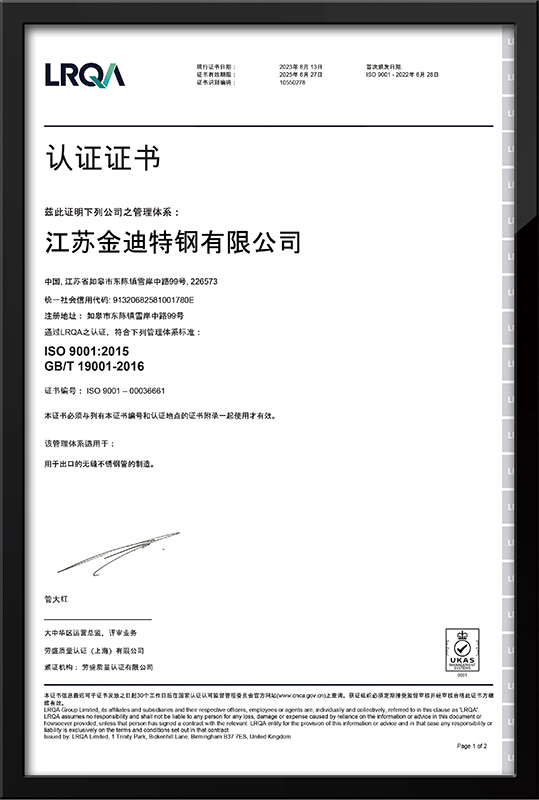
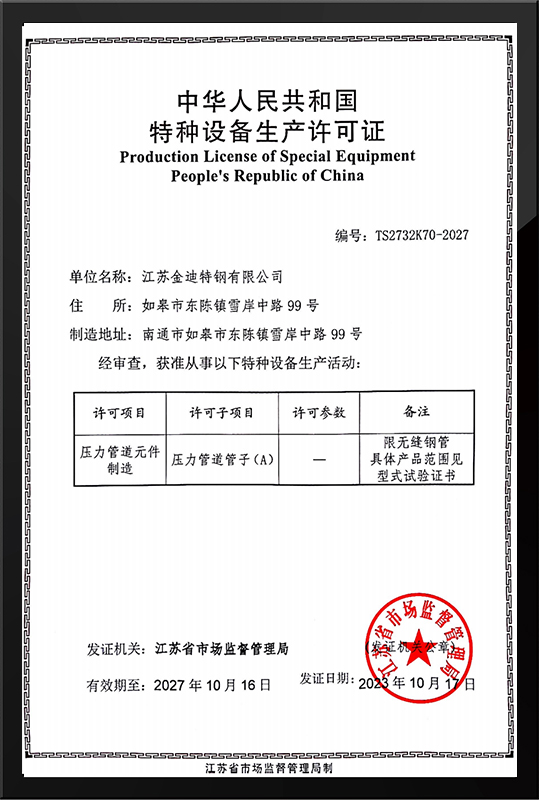
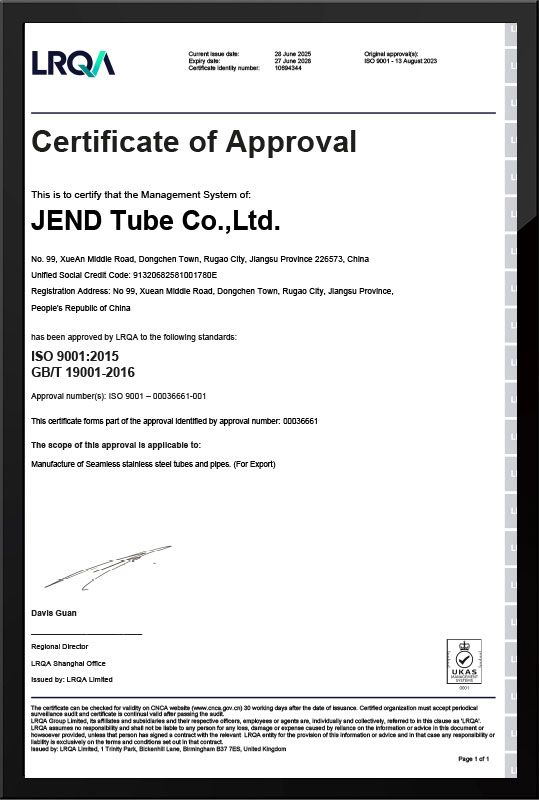
The company has passed ISO9001:2015 quality certification, domestic pressure vessel TS certification, and foreign pressure vessel PED certification. With rich experience and mature technology, we have been expanding our market internationally. At present, our products are exported to more than 50 countries and regions including Europe, America, Southeast Asia, and the Middle East.
The company adheres to different production norms and standards such as the American standard (ASTM), the European standard (EN), the German standard (DIN), the Japanese standard (JIS), the Russian standard (GOST), and the Chinese standard (GB).
Our company specializes in and customizes various specifications of Martensite TP410 (0Cr13, 1Cr13), Ferrite TP405 (1Cr13Al), TP430 (1Cr17), TP444 (0Cr18Mo2), TP439, TP409 (0Cr11Ti), It is also proficient in manufacturing Austenitic seamless stainless steel pipes of series such as TP304(L/H), TP316(L/H/Ti), TP310S, TP317, TP321(H) and TP347(H). Duplex such as S31803, S2205, S32750, S32304, and Nickel-based alloys Monel400, Monel600, Monel800, GH3030, 904L, Inconel 625, etc.
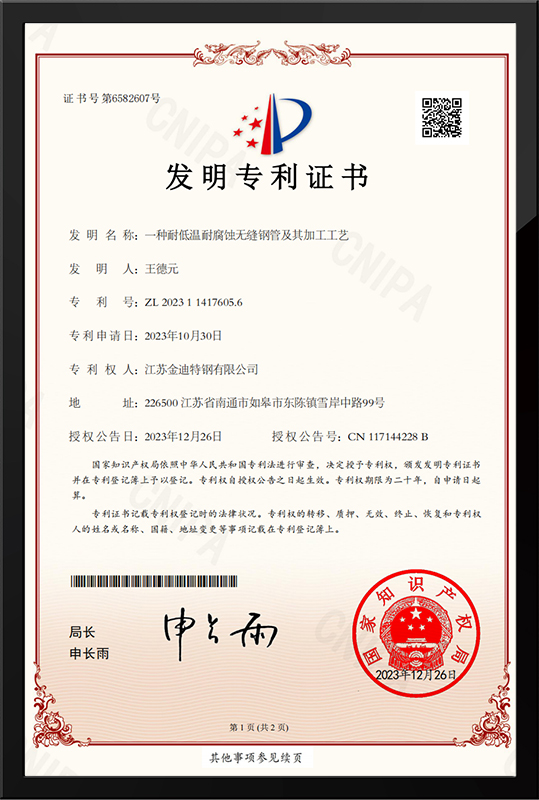
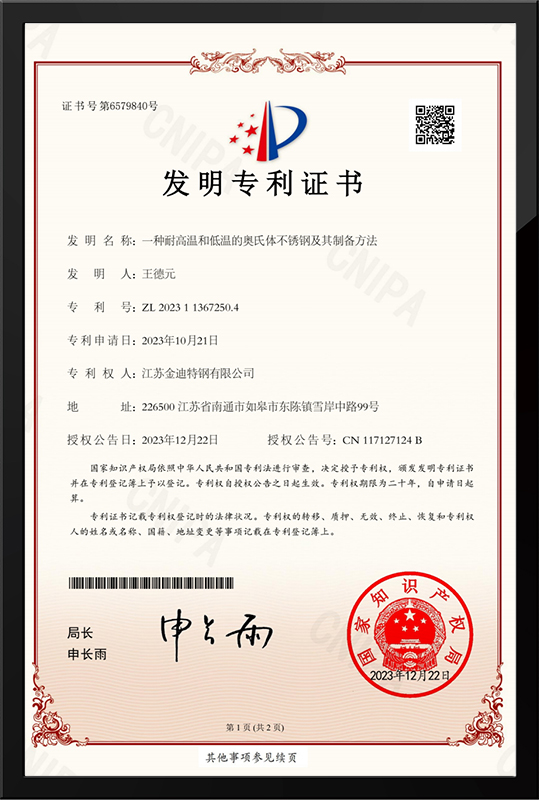
The company mainly produces seamless steel pipes with the following specifications: outer diameter: 3.18mm to 406.4mm, wall thickness: 0.3mm to 20mm, and the longest length is 25000mm. Additionally, it can customize seamless steel pipes with special materials and specifications according to customer requirements. The company attaches great importance to scientific innovation. The staff of the company vigorously develop technological research and development.
Jiangsu Jend Tube Co.,Ltd. will continuously accumulate professional knowledge and capabilities, striving to become a leader in the domestic market and even the world market. Strive to be the most reassuring pipe manufacturing enterprise for customers.
Precision Manufacturing and Process Optimization
We rely on precision equipment and optimized production technologies to achieve outstanding mechanical performance and consistent product quality.

Cold Rolling and Cold Drawing

Solution Heat Treatment
Natural gas solution treatment furnaces and BA solution treatment furnaces optimize the material's grain structure, enhancing corrosion resistance.

Precision Straightening and Polishing
10 straightening machines and 8 finishing polishing machines guarantee product surface smoothness and dimensional accuracy.

Automated Inspection and Quality Assurance
Real-time monitoring systems ensure the stable quality of every batch of products.
Product Usage Tips
Tube-to-Tubesheet Expansion
Nickel alloy heat exchanger tubes require higher hydraulic expansion pressures than stainless steel due to their higher yield strength. Validate expansion parameters — expansion pressure, roll torque, or hydroforming pressure — by pull-out testing on tubesheet mock-ups before production expansion of the full bundle. Over-expansion causes tube wall thinning below minimum WT specification; under-expansion allows leak-path formation at the joint interface.
Pre-Installation Eddy Current Baseline
Establish eddy current baseline inspection records for all nickel alloy heat exchanger tubes immediately after bundle fabrication and before commissioning. This provides the reference signal from which in-service inspection data can identify and quantify tube degradation — corrosion pitting, erosion thinning, or stress corrosion cracking — at the earliest stage of development before through-wall penetration and process leakage occur.
Grade Selection for Tube vs Shell Side
In shell-and-tube heat exchangers, the more aggressive process fluid is conventionally allocated to the tube side to exploit the superior corrosion resistance of the tube alloy while using a less expensive material for the shell. Confirm tube-side versus shell-side fluid allocation with process engineers before specifying tube alloy grade — reversing the allocation may allow a lower-cost tube grade to be specified without compromising overall heat exchanger corrosion performance.
Flow Velocity Management
Maintain minimum tube-side velocity of 1.0 m/s in nickel alloy tubes handling process fluids with fouling or scaling potential to prevent stagnant-zone deposit accumulation. Maximum recommended velocity varies by alloy and fluid: Incoloy 825 in seawater is limited to 3 m/s to prevent erosion-corrosion; Inconel 625 tolerates up to 6 m/s in clean seawater service without significant velocity-enhanced attack.
Value-Added Processing Services
We provide comprehensive heat exchanger tube fabrication support services across all nickel alloy grades:
Fixed-Length Cutting
±0.3mm tolerance cutting for direct TEMA heat exchanger bundle assembly without site re-cutting.
U-Bending
Precision U-bend forming with ovality and wall thinning certification for U-tube bundle configurations.
100% Eddy Current + Hydrostatic
Combined eddy current and hydrostatic testing for complete tube integrity assurance per ASTM B163.
Grade-Specific IGC Testing
Intergranular corrosion testing per ASTM G28 or A262 tailored to each alloy grade and service environment.
Payment & Shipping
Payment Terms
- T/T (Telegraphic Transfer)
- L/C at Sight (Letter of Credit)
- Western Union
- Flexible terms for long-term partners
Shipping Options
- Sea Freight (FCL/LCL)
- Air Freight for urgent orders
- Express for small samples
- Grade-segregated seaworthy wooden cases with alloy ID tags
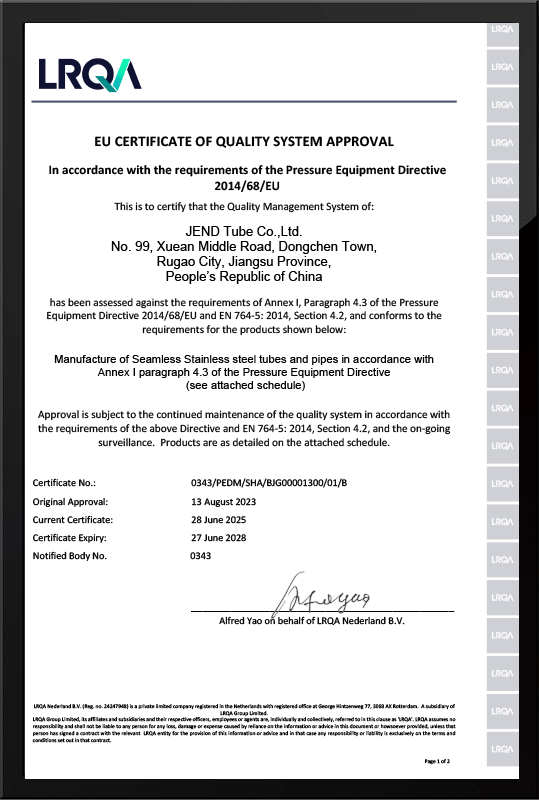
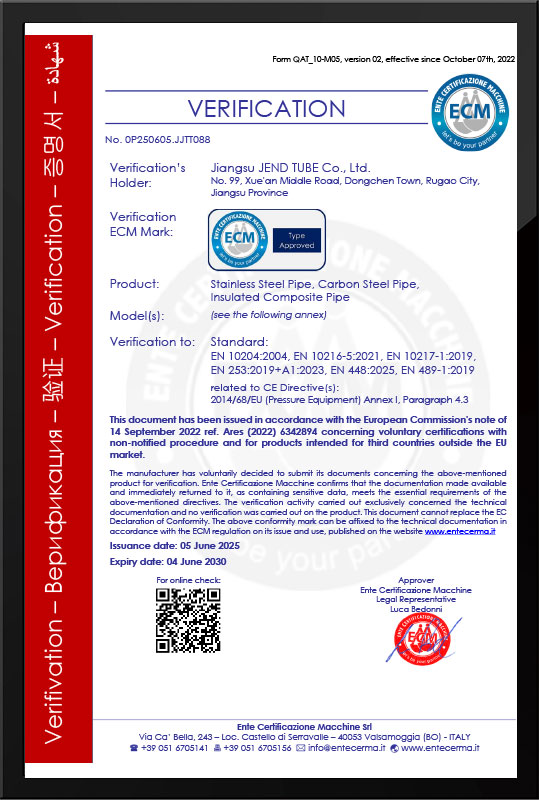
Certifications & Standards
Our nickel alloy heat exchanger tubing program is certified to leading heat exchanger fabrication and pressure vessel standards:
ISO 9001:2015
ASME Section II
TEMA Standards
ASTM B163 / B515
PED Certification
EN 10204 3.1 MTR
Frequently Asked Questions
Which nickel alloy grade is best for sulfuric acid heat exchangers?
For mild-to-moderate sulfuric acid service (10–70% H₂SO₄ at temperatures below 60°C), Incoloy 825 with its copper addition provides the optimal cost-performance balance. For concentrated H₂SO₄ or elevated temperatures, Hastelloy C-276 provides broader protection. Our corrosion database allows grade selection to be based on quantitative corrosion rate data for your specific acid concentration and temperature.
How do I select between Incoloy 825 and Inconel 625 for heat exchanger tubing?
Incoloy 825 is preferred for sulfuric acid, phosphoric acid, and reducing acid heat exchangers where its copper addition enhances performance, and where cost is a significant factor. Inconel 625 is preferred for applications requiring higher mechanical strength, superior fatigue resistance (vibrating tube bundles), or service in mixed oxidizing-reducing acid environments where 825's lower molybdenum content is insufficient.
What OD tolerance is achievable for heat exchanger tube-to-tubesheet joints?
Our cold-drawn seamless nickel alloy heat exchanger tubes achieve OD tolerance of ±0.08mm as standard for tubes below 25mm OD, and ±0.10mm for larger diameters. This precision ensures consistent hydraulic expansion joint quality across the full tubesheet without the variations that cause differential joint tightness and preferential leak-path formation.
Is eddy current testing standard for nickel alloy heat exchanger tubes?
100% eddy current testing is available as a standard supplementary requirement for all nickel alloy heat exchanger tube grades, providing detection of surface and near-surface defects including seams, laps, and deep pits that would not be detected by hydrostatic pressure testing alone. We recommend combined eddy current plus hydrostatic testing for all critical process heat exchanger tube specifications.
Can you supply mixed-grade nickel alloy heat exchanger tube sets on a single order?
Yes, we supply multi-grade heat exchanger tube sets on a single purchase order with grade-segregated packaging and individual EN 10204 3.1 Mill Test Reports for each alloy grade. Clear alloy identification marking on each tube and bundle prevents inadvertent grade mixing during heat exchanger fabrication.
What is the maximum tube length available for large heat exchangers?
Seamless nickel alloy heat exchanger tubes are available in fixed lengths up to 25,000mm for large shell-and-tube heat exchanger designs requiring long tube passes. Extended lengths reduce the number of tubesheet joints required in multi-pass designs, minimizing potential leak points and tube bundle assembly complexity.
What is the typical lead time for nickel alloy heat exchanger tube bundles?
Standard nickel alloy grades in common heat exchanger dimensions are available within 25–40 days. Bundle fabrication services including fixed-length cutting, U-bending, and full eddy current inspection add 5–10 days to the base tube supply lead time. Project orders should be placed minimum 8 weeks before required bundle assembly start date.
Do you support international heat exchanger fabrication projects?
Yes, we supply nickel alloy heat exchanger tubing to fabricators and EPC contractors across the Middle East, Southeast Asia, India, Europe, and the Americas, with TEMA-compliant dimensional certification, multi-standard material documentation, and logistics coordination for direct delivery to heat exchanger fabrication workshops.
Ready to Order Nickel Alloy Heat Exchanger Tubing?
Tell us your process fluid, temperature, and pressure — our engineers will specify the optimal alloy grade and dimensions
Request a Quote